Opening Times:

6.00 AM - 21.00 PM

Call Us:

077699 02529

Personal Trainer for Busy Professionals in Hale – How to Get Results When You Have No Time

“I’d love to get fitter. I just don’t have the time.”

It’s one of the most common things we hear from new clients.

And usually, they’re right about one thing:

They are genuinely busy.

They’re running businesses.

Managing teams.

Working long hours.

Travelling.

Raising families.

Answering emails at 9pm.

Trying to squeeze twenty different responsibilities into every day.

Fitness gradually falls further down the priority list.

The problem is that your health doesn’t care how busy your diary is.

At Soma Fitness, we’ve spent almost twenty years working with men and women across Hale, Altrincham and the surrounding areas, many of whom have demanding careers and limited time.

If you’re searching for a Personal Trainer for Busy Professionals in Hale, the solution isn’t necessarily finding more time.

It’s making better use of the time you already have.

You Don’t Need to Live in the Gym

One of the biggest misconceptions about getting into great shape is that it requires training six days per week.

It doesn’t.

If you’re a busy professional, trying to copy the routine of a fitness influencer whose job revolves around training is ridiculous.

Your program needs to fit your life.

For many people, two or three well-structured resistance training sessions each week can provide an excellent foundation.

Add regular walking, appropriate cardiovascular exercise and sensible nutrition, and you can achieve significant improvements without making fitness your full-time occupation.

Stop Thinking in Terms of Perfect Weeks

Monday goes perfectly.

You train.

You eat well.

You get your steps.

Tuesday is good too.

Then Wednesday arrives.

A meeting runs late.

Thursday you have a client dinner.

Friday you’re exhausted.

The weekend involves the children.

The week is suddenly “ruined.”

So you decide you’ll start again on Monday.

This all-or-nothing mentality destroys more progress than the occasional missed workout ever will.

You don’t need perfect weeks.

You need good enough weeks repeated consistently.

If three sessions become two, do two.

If you can’t train for an hour, train for forty minutes.

If dinner is at a restaurant, make a sensible choice and move on.

Successful people don’t avoid disruption.

They learn how to operate through it.

Your Training Needs a Purpose

If you’ve only got three hours per week available to train, wasting them on random workouts makes no sense.

Every exercise should have a reason for being there.

At Soma Fitness, resistance training forms the foundation of many of our programs because it allows us to develop:

  • Strength
  • Muscle
  • Physical function
  • Body composition
  • Confidence
  • Long-term physical capacity

Your program should also progress.

Performing the same exercises with the same weights indefinitely isn’t structured training.

It’s exercise.

There’s a difference.

Why Strength Training Is Ideal for Busy Professionals

Strength training gives you an enormous return on your time.

A well-designed resistance session can train multiple major muscle groups efficiently without requiring hours in the gym.

It also becomes increasingly valuable as we get older.

Many professionals spend their 30s, 40s and 50s becoming less physically active.

More meetings.

More driving.

More desk work.

Less sport.

Less movement.

Without an appropriate training stimulus, strength and muscle can gradually decline.

Resistance training gives your body a reason to maintain them.

Sitting All Day Is Part of the Problem

You might train for three hours per week.

There are still another 165 hours.

That’s why we look beyond your workouts.

Many professionals spend enormous portions of the day sitting:

At a desk.

In meetings.

In the car.

On trains.

On flights.

Then they arrive home and sit on the sofa.

A gym session doesn’t magically erase an otherwise inactive lifestyle.

That’s why daily movement matters.

Walking Is Your Secret Weapon

Walking isn’t glamorous.

Nobody is selling a £500 walking transformation program.

But for busy professionals, it’s one of the easiest behaviors to integrate into everyday life.

You can:

  • Walk during phone calls
  • Take a lunchtime walk
  • Walk to meetings locally
  • Take the stairs
  • Park further away
  • Walk after dinner
  • Use a walking meeting where appropriate

Ten minutes here.

Fifteen minutes there.

Over an entire week, it adds up.

You don’t always need another workout.

Sometimes you simply need more movement.

Fat Loss Doesn’t Require a Perfect Diet

This is another major barrier.

People believe losing body fat means:

Meal preparation seven days per week.

No restaurants.

No alcohol.

No carbohydrates.

No social life.

That’s completely unnecessary.

Fat loss requires an appropriate calorie deficit over time.

How you create that deficit needs to reflect your lifestyle.

If you regularly entertain clients or eat in restaurants, your nutrition strategy needs to account for that.

Pretending you’ll suddenly stop doing those things isn’t a strategy.

It’s wishful thinking.

Protein Should Be a Priority

If you’re trying to lose body fat while maintaining muscle, adequate protein becomes particularly important.

Protein also tends to be satiating, which can make managing calorie intake easier.

Good options include:

  • Eggs
  • Greek yogurt
  • Fish
  • Chicken
  • Turkey
  • Lean meat
  • Cottage cheese
  • Tofu
  • Beans and pulses
  • Protein shakes when convenience is important

For a busy professional, convenience matters.

There’s nothing wrong with using convenient foods if they help you consistently hit your nutritional targets.

Business Lunches Don’t Have to Ruin Your Progress

Eating out is part of life for many professionals.

You don’t need to avoid it.

Instead, develop a few simple rules.

Prioritise protein.

Include vegetables.

Be conscious of portion sizes.

Choose whether the starter, dessert or alcohol matters most rather than automatically having all three.

And don’t turn one higher-calorie meal into a three-day binge because you think you’ve “ruined the diet.”

One meal rarely destroys progress.

Your reaction to that meal can.

What About Alcohol?

Alcohol is often the elephant in the room.

A few drinks with clients.

Wine at dinner.

Friday evening.

Saturday night.

The calories can accumulate surprisingly quickly.

We’re not suggesting you can never drink.

But if fat loss is a priority, alcohol intake needs to be included honestly within the overall picture.

You can’t manage what you refuse to measure.

Sleep Is Performance Enhancement for Normal People

Busy professionals often sacrifice sleep first.

Late emails.

Early meetings.

Work travel.

Children.

Then caffeine is used to compensate for exhaustion.

Poor sleep can make training, appetite regulation and good decision-making more difficult.

You can’t always achieve perfect sleep.

But you can improve your habits.

Consider:

  • A consistent bedtime where possible
  • Reducing late-night work
  • Limiting excessive caffeine later in the day
  • Creating a darker, quieter bedroom
  • Establishing a wind-down routine

Recovery isn’t laziness.

It’s part of performance.

Stop Chasing Motivation

You won’t always feel motivated.

Neither do our coaches.

Neither do experienced athletes.

The difference is that successful people create systems that reduce reliance on motivation.

Training is booked into the diary.

Food is available.

Walking becomes routine.

Bedtime has structure.

That’s why personal training works particularly well for busy people.

Your session isn’t something you might do.

It’s an appointment.

Accountability Creates Structure

Imagine two scenarios.

In the first, you plan to train “sometime tomorrow.”

Tomorrow becomes busy.

Training disappears.

In the second, you have a personal training session booked for 7am.

Your coach is waiting.

Which session are you more likely to complete?

Accountability isn’t weakness.

It’s intelligent environment design.

If something matters, put structure around it.

Why Private Personal Training Saves Time

Commercial gyms can be excellent.

But at peak times you may spend part of your session:

Waiting for equipment.

Finding dumbbells.

Changing exercises because something is occupied.

Deciding what to do next.

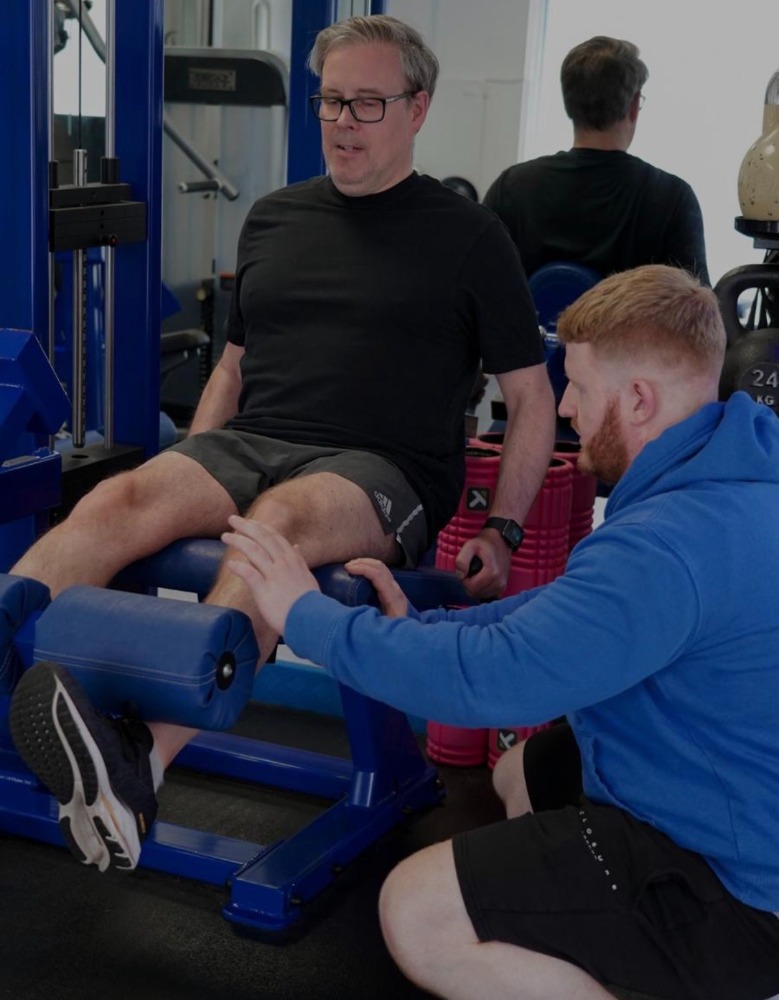
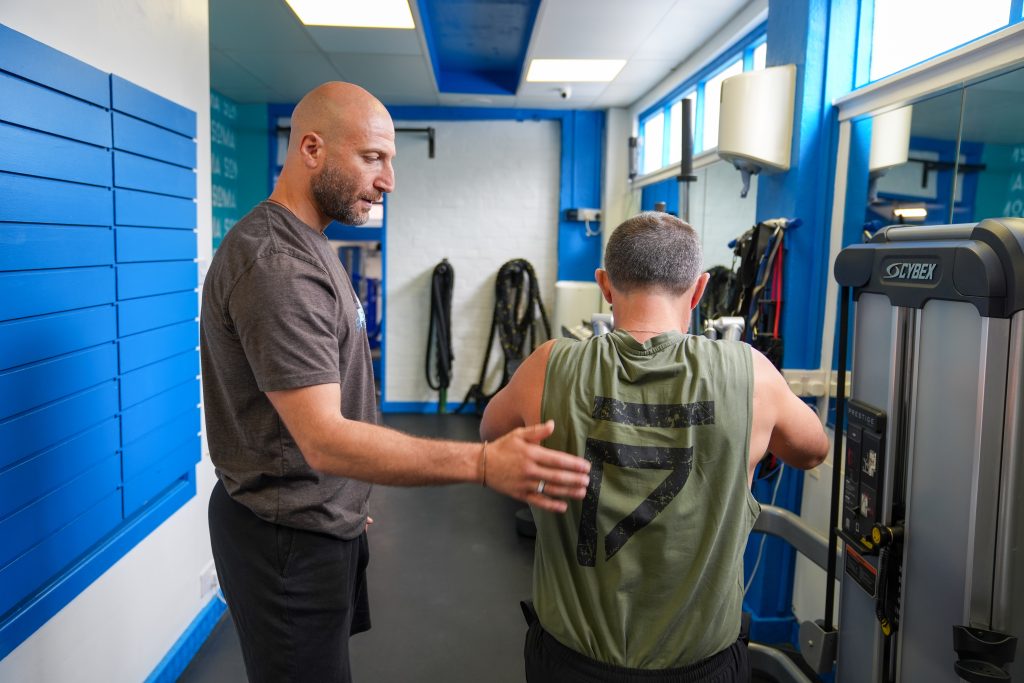
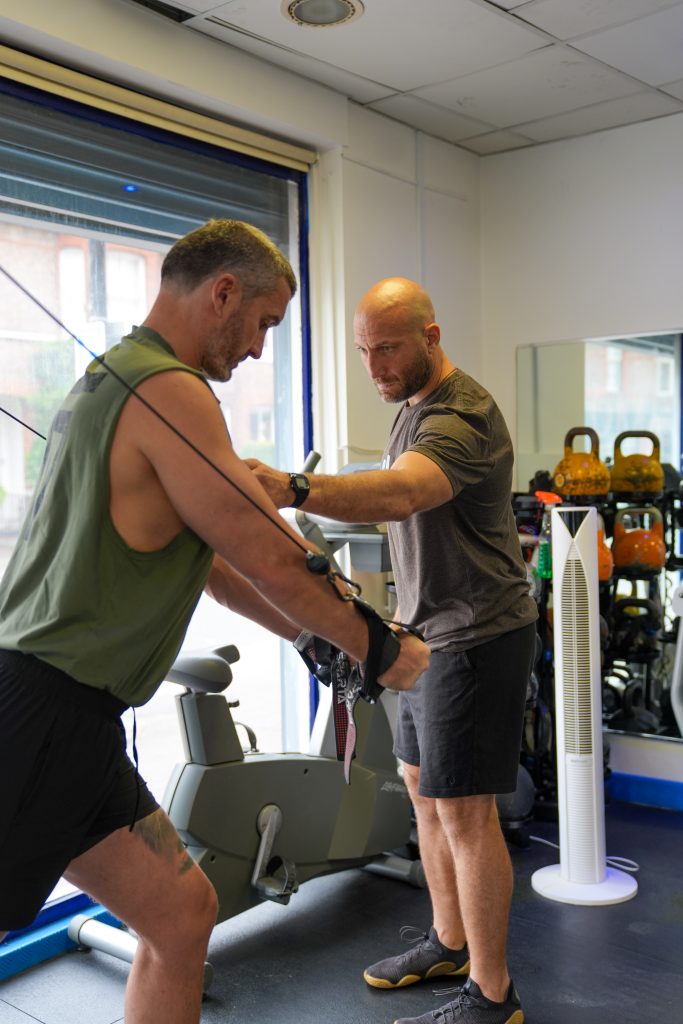
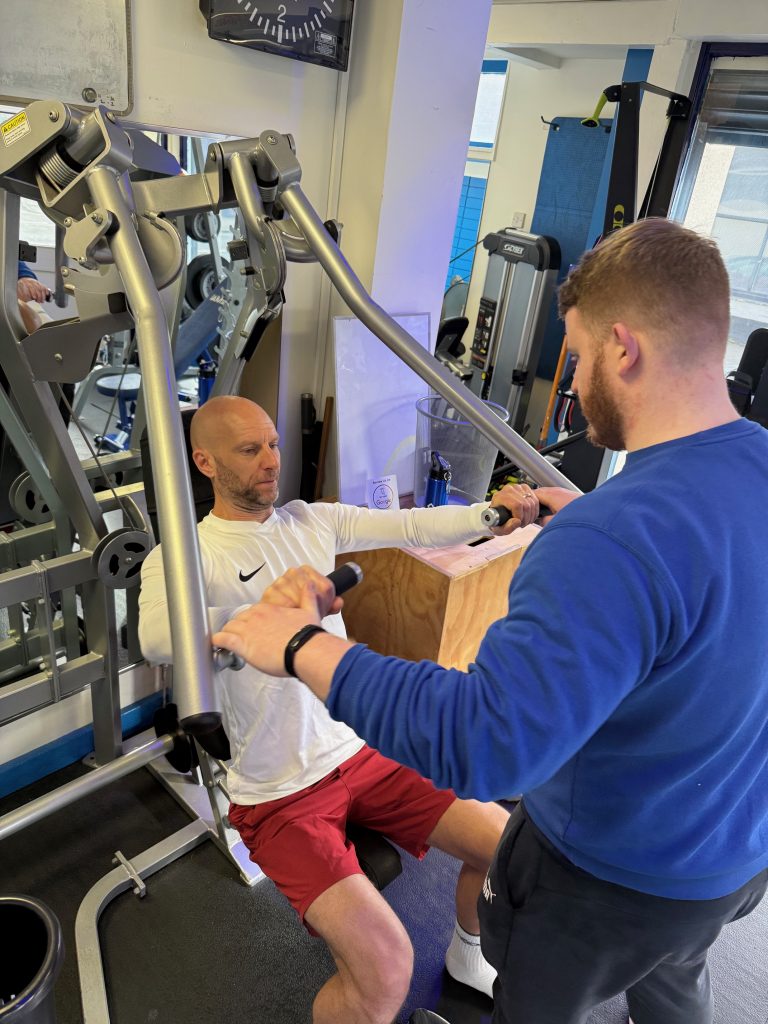
At Soma Fitness, our gym is dedicated to coached personal training.

Your program is already prepared.

Your coach is ready.

You arrive and train.

For someone whose time is valuable, that efficiency matters.

You Don’t Need to Train for an Hour

The fitness industry has somehow convinced people that sixty minutes is the minimum legitimate workout.

It isn’t.

If you have forty-five minutes, use forty-five.

If occasionally you only have thirty, use thirty intelligently.

A shorter structured session is infinitely more productive than the perfect ninety-minute session you never actually complete.

Train for the Life You Want in Ten Years

This is where the conversation becomes bigger than losing a few kilograms.

Ask yourself:

What do I want my body to be capable of at 50?

At 60?

At 70?

Do you want to travel?

Play sport?

Walk mountains?

Play with grandchildren?

Remain independent?

Your career may be important.

Your business may be important.

Your finances may be important.

But none of those things are particularly enjoyable if your physical health prevents you from enjoying them.

Strength and fitness are assets.

Build them before you desperately need them.

Personal Training After 40

Many of the professionals we work with are in their 40s, 50s and beyond.

Training at this stage shouldn’t necessarily look identical to how you trained at 21.

Your program needs to consider:

  • Training history
  • Current fitness
  • Injury history
  • Recovery
  • Lifestyle stress
  • Available time

But being older doesn’t mean training needs to become easy.

You still need an appropriate stimulus.

The goal is intelligent intensity, not avoiding challenge altogether.

What If You Have Previous Injuries?

Years behind a desk combined with old sporting injuries can leave people hesitant about returning to training.

Shoulder problems.

Back discomfort.

Knee issues.

Previous surgery.

These don’t automatically mean you can’t strength train.

They may mean the program needs to be modified.

Our coaching team at Soma Fitness has additional qualifications in injury rehabilitation, helping us appropriately adapt exercise selection and progression around individual needs.

Where something requires assessment from a physiotherapist, doctor or other healthcare professional, we’ll recommend that rather than pretending personal training replaces medical care.

Why Choose Soma Fitness?

Soma Fitness is a private personal training studio based on Hale Road in Altrincham.

For almost twenty years, we’ve worked with men and women from:

  • Hale
  • Altrincham
  • Bowdon
  • Hale Barns
  • Timperley
  • Sale
  • Surrounding South Manchester areas

Many of our clients are professionals and business owners.

They don’t need fitness to become another stressful obligation.

They need someone to remove the guesswork.

Our coaching can incorporate:

  • Personalised resistance training
  • Fat-loss strategies
  • Muscle building
  • Nutrition guidance
  • Lifestyle coaching
  • Accountability
  • Progress tracking
  • Injury-aware exercise programming

The objective is simple.

Maximum return from the time you can realistically invest.

Frequently Asked Questions

How often should a busy professional train?

There’s no universal answer, but many people achieve excellent results with two to four structured training sessions per week. Beginners may need even less initially.

Can I get results training twice per week?

Yes. Two high-quality resistance sessions can provide a very useful training stimulus, particularly when supported by good nutrition, sufficient daily movement and appropriate additional activity.

Do I need to train every day to lose weight?

No. Fat loss is driven primarily by achieving an appropriate energy deficit over time. Training, nutrition and daily activity should work together.

Can I still eat in restaurants?

Absolutely. Your nutrition strategy should work around your real lifestyle. Learning how to manage meals out is more useful than pretending you’ll never eat out again.

Is personal training suitable if I’ve never exercised?

Yes. Your program should begin at your current ability rather than expecting you to already be fit.

What if I travel regularly for work?

Training and nutrition can be adapted around travel. Hotel gyms, walking, portable training options and flexible nutrition strategies can all help maintain consistency.

Is personal training worth it if I already know how to exercise?

Potentially, yes. Coaching isn’t only about teaching exercises. Programming, progression, accountability, objective feedback and efficient use of training time can all provide value to experienced exercisers.

Looking for a Personal Trainer for Busy Professionals in Hale?

If you’re looking for a Personal Trainer for Busy Professionals in Hale, a PT in Hale, or personal training close to Altrincham, we’d love to help.

You don’t need another complicated fitness plan.

You need one that fits your actual life.

At Soma Fitness, we’ll look at your goals, schedule, training experience and lifestyle and build a program around the time you realistically have available.

Because being busy isn’t the problem.

Having no system is.

Book a free consultation at Soma Fitness and meet one of our coaches to discuss how we can help you become stronger, fitter and healthier without making your entire life revolve around the gym.

Weight Loss After 40 in Altrincham – Why It Feels Harder and What Actually Works

“I used to be able to lose weight easily. Now nothing seems to work.”

It’s something we hear regularly from men and women in their 40s and 50s.

Perhaps you’ve noticed your waistline gradually increasing.

You don’t feel as lean as you did ten years ago.

You’re eating roughly the same foods.

You might even be exercising.

Yet maintaining your previous body weight seems considerably more difficult.

It’s easy to conclude that your metabolism has simply collapsed because you’ve turned 40.

The reality is more nuanced.

At Soma Fitness, we’ve spent almost two decades helping men and women across Altrincham, Hale and the surrounding areas improve their body composition through structured training, nutrition and lifestyle coaching.

If you’re struggling with weight loss after 40 in Altrincham, understanding why things have changed is the first step towards doing something effective about it.

Does Your Metabolism Suddenly Slow Down After 40?

Not in the dramatic way it’s often portrayed.

Ageing can influence energy expenditure, but the bigger problem for many people is that their lifestyle gradually changes.

Think about the difference between your life at 25 and 45.

At 25, perhaps you:

  • Walked more
  • Played sport
  • Had fewer work responsibilities
  • Had no children
  • Spent less time sitting
  • Had more opportunities to exercise

Fast-forward twenty years.

You may now spend eight hours behind a desk.

You drive everywhere.

You have children.

You run a business or manage a demanding career.

You’re sleeping less.

Training has become inconsistent.

None of these changes seem dramatic individually.

Combined over ten or twenty years, they can have a significant effect on your energy expenditure and body composition.

Why Do We Tend to Gain Weight Around Middle Age?

Body-fat gain ultimately occurs when energy intake consistently exceeds energy expenditure over time.

But several factors can make that easier to achieve as life changes.

These can include:

  • Reduced daily movement
  • Less structured exercise
  • Loss of muscle
  • Poorer sleep
  • Increased alcohol intake
  • Larger portions
  • More meals eaten outside the home
  • Stress
  • Changes associated with menopause for women

The answer isn’t necessarily to eat dramatically less.

It’s to identify which variables have changed and address them intelligently.

Muscle Loss Matters

One of the most important changes to consider as we age is muscle.

Without resistance training, adults can gradually lose muscle and strength over time.

This matters for much more than appearance.

Muscle contributes to:

  • Physical function
  • Strength
  • Movement
  • Healthy ageing
  • Body composition

This is one reason resistance training becomes more important as you get older, not less.

Your 40s shouldn’t be the decade where you stop lifting weights.

They should be the decade where you start taking strength seriously.

Stop Trying to Burn Every Calorie Through Exercise

A common reaction to weight gain is:

“I need to do more cardio.”

So people start running.

Cycling.

Using the cross trainer.

Doing HIIT classes.

Cardiovascular exercise is excellent for health and fitness.

But trying to create your entire calorie deficit through exercise is often inefficient.

It’s usually much easier to combine sensible nutrition with increased daily activity and structured training.

Exercise should build your body.

Nutrition should largely manage your energy intake.

Daily movement supports both.

Strength Training Should Be a Priority After 40

If your goal is simply to make the scales move, you could achieve that through dieting alone.

But that’s not necessarily the outcome we want.

At Soma Fitness, we’re much more interested in body composition.

We want to reduce excess body fat while maintaining or potentially building muscle.

Resistance training provides the stimulus your body needs to maintain muscle while dieting.

It can also improve:

  • Strength
  • Physical function
  • Bone health
  • Confidence
  • Exercise capacity

For men and women over 40, these adaptations have value far beyond how you look in the mirror.

You Still Need a Calorie Deficit

There’s no getting around this.

To lose stored body fat, you need to consume less energy than you expend over time.

But that doesn’t mean you need to starve yourself.

The size of your calorie deficit should be appropriate for:

  • Your body size
  • Your activity
  • Your goals
  • Your training
  • Your lifestyle
  • Your ability to adhere to the diet

This is where generic advice such as “everyone should eat 1,500 calories” becomes useless.

A smaller individual may require a very different intake from a larger, highly active person.

The best deficit isn’t the biggest one you can tolerate for five days.

It’s one you can consistently sustain while still functioning like a normal human being.

Protein Becomes Increasingly Valuable

Protein is particularly useful when trying to improve body composition.

It helps support muscle while dieting and can also improve meal satiety.

Good protein sources include:

  • Chicken
  • Turkey
  • Lean meat
  • Fish
  • Eggs
  • Greek yogurt
  • Cottage cheese
  • Tofu
  • Beans and pulses
  • Protein supplements where useful

Rather than trying to completely remove carbohydrates or fats, start by ensuring your meals contain adequate protein.

That’s usually a much more productive place to begin.

Carbohydrates Aren’t the Problem

Carbohydrates tend to get blamed whenever people struggle to lose weight.

Bread.

Rice.

Potatoes.

Pasta.

Fruit.

None of these foods inherently prevent fat loss.

Carbohydrates can be particularly useful for supporting resistance training and higher-intensity exercise.

The problem is usually total calorie intake, not the existence of carbohydrates in your diet.

If you enjoy carbohydrates and tolerate them well, there is no requirement to eliminate them simply because you’re over 40.

Alcohol Can Quietly Sabotage Progress

This is one worth addressing because it becomes relevant for many busy professionals.

A couple of glasses of wine after work.

Drinks with clients.

Friday evening.

Saturday evening.

Sunday lunch.

Individually, none seem significant.

Across a week, however, the calories can accumulate quickly.

Alcohol can also influence food choices.

You’re rarely craving chicken, rice and vegetables after four pints.

We’re not suggesting you can never drink alcohol.

But if fat loss has stalled, it’s worth being honest about how much you’re consuming.

Walking Is One of the Most Underrated Fat-Loss Tools

You don’t need every activity to be an intense workout.

Walking is incredibly useful.

It’s accessible.

It doesn’t require recovery in the same way hard training does.

And it can significantly increase daily energy expenditure when performed consistently.

For busy professionals, this could mean:

  • Walking during phone calls
  • Taking a lunchtime walk
  • Walking after dinner
  • Parking further away
  • Taking the stairs
  • Walking to local appointments

You don’t necessarily need another brutal HIIT session.

Sometimes you just need to stop sitting down all day.

Sleep Can Make Dieting Much Harder

Sleep doesn’t magically cause fat loss.

But poor sleep can make the behaviors required for fat loss considerably more difficult.

When you’re exhausted:

You’re hungrier.

You crave more calorie-dense foods.

Training feels harder.

Daily activity often decreases.

Your decision-making deteriorates.

If you’re consistently sleeping five hours per night, simply adding another workout may not be the smartest intervention.

Sometimes improving recovery produces better adherence than increasing training volume.

Stress Matters – But Not Because Cortisol Magically Creates Belly Fat

Stress is another area where fitness marketing becomes misleading.

You’ll often hear that cortisol is directly making your stomach fat and that you need a special supplement to “balance your hormones.”

That’s an oversimplification.

The more practical problem is what stress does to your behavior.

When stressed, people may:

  • Sleep less
  • Move less
  • Eat more
  • Drink more alcohol
  • Skip training
  • Choose convenience foods

That’s why stress management matters.

Not because you need to eliminate cortisol.

Because you need a lifestyle you can actually manage.

Menopause and Weight Management

For women, the menopausal transition deserves specific consideration.

Hormonal changes can influence body-fat distribution, while menopause often coincides with changes in sleep, muscle mass, activity and appetite.

This doesn’t mean weight gain is inevitable.

It does mean that maintaining muscle, strength, daily activity and good nutrition becomes increasingly valuable.

Resistance training should be a major component of that strategy.

Why Extreme Diets Become a Bigger Problem

If you’ve gained weight, the temptation is to lose it as quickly as possible.

So calories are slashed.

Carbohydrates disappear.

Training increases.

Initially, the scales drop rapidly.

Then hunger increases.

Training performance falls.

Energy decreases.

Eventually adherence collapses.

Then people blame themselves.

The problem wasn’t necessarily discipline.

The strategy was unsustainable.

Successful weight loss after 40 requires enough urgency to create progress but enough restraint to make that progress maintainable.

The Goal Isn’t to Get Your 25-Year-Old Body Back

This is important.

You don’t need to spend the rest of your life chasing a younger version of yourself.

Your objective should be to build the strongest, healthiest version of yourself now.

You may actually become stronger at 45 than you were at 25.

You may have better nutrition.

Better training knowledge.

Better habits.

Better cardiovascular fitness.

Age isn’t automatically decline.

But doing nothing virtually guarantees that your physical capacity will eventually decline.

Why Accountability Makes a Difference

Most people know roughly what they should be doing.

Eat better.

Exercise.

Walk.

Sleep.

The challenge is doing those things consistently for months.

That’s where coaching becomes valuable.

A good personal trainer isn’t simply there to count repetitions.

They provide:

  • Structure
  • Progression
  • Accountability
  • Feedback
  • Education
  • Objective decision-making

When progress stalls, the program changes.

When life becomes busy, the plan adapts.

You don’t need to continually start again.

Why Choose Soma Fitness?

Soma Fitness is a private personal training studio based on Hale Road in Altrincham, serving clients throughout:

  • Altrincham
  • Hale
  • Bowdon
  • Hale Barns
  • Timperley
  • Sale
  • Surrounding South Manchester areas

For almost twenty years, we’ve helped men and women improve their health through personalised coaching.

We specialise in:

  • Fat loss
  • Strength training
  • Muscle building
  • Personal training over 40
  • Nutrition guidance
  • Lifestyle coaching
  • Injury rehabilitation

Our coaches have additional qualifications in injury rehabilitation, helping us appropriately adapt training for clients with previous injuries and physical limitations where required.

Every program is designed around the individual.

Because your lifestyle isn’t generic.

Your training shouldn’t be either.

Frequently Asked Questions About Weight Loss After 40

Is it actually harder to lose weight after 40?

It can feel harder because lifestyle, activity, muscle mass, sleep and other factors may have changed. However, fat loss remains achievable when energy intake, training and lifestyle are appropriately managed.

Has my metabolism slowed down?

Your energy requirements can change over time, but dramatic metabolic collapse simply because you’ve turned 40 isn’t an accurate explanation for most weight gain.

Should I stop eating carbohydrates?

No. Carbohydrates can form part of a healthy fat-loss diet and can support training performance.

Should I do cardio or weights?

Ideally, both. Resistance training supports muscle and strength, while cardiovascular exercise supports cardiovascular fitness and overall health.

How many times should I train each week?

It depends on your goals and lifestyle. Many people achieve excellent results with two to four structured resistance sessions per week alongside regular daily movement and appropriate cardiovascular exercise.

Can I lose belly fat after 40?

Yes, but you cannot selectively choose where fat is lost. As overall body fat decreases, abdominal fat can decrease too. Genetics and sex influence where fat tends to be stored and lost.

Is personal training worth it after 40?

If you’re struggling with programming, technique, accountability or consistency, working with an experienced coach can remove considerable guesswork and provide a structured approach tailored to you.

Looking for Weight Loss After 40 in Altrincham?

If you’re struggling with weight loss after 40 in Altrincham, or you’re looking for a Personal Trainer in Altrincham or Hale, we’d love to help.

You don’t need another detox.

You don’t need to eliminate carbohydrates.

And you don’t need to spend every evening in the gym.

You need a strategy.

One that combines resistance training, appropriate nutrition, daily movement, cardiovascular fitness and recovery in a way that fits around your actual life.

At Soma Fitness, that’s exactly what we build.

Book a free consultation with our coaching team and we’ll discuss where you are now, what you want to achieve and how we can create a personalised plan to get you there.

Personal Training for Women Over 40 in Hale – Why Strength Training Matters More Than Ever

For many women, reaching their 40s brings changes they weren’t expecting.

Perhaps maintaining your weight suddenly feels more difficult.

You don’t feel as strong as you used to.

Recovery takes longer.

Your body composition begins to change despite eating and exercising in much the same way you always have.

And for women approaching perimenopause or menopause, changes in hormones can add another layer of complexity.

The temptation is often to respond by eating less and doing more cardio.

But that isn’t necessarily the best strategy.

At Soma Fitness, we work with women across Hale, Altrincham and the surrounding areas, helping them build stronger, healthier bodies through structured resistance training, nutrition and sustainable lifestyle change.

If you’re considering personal training for women over 40 in Hale, one of the most important things to understand is that this stage of life isn’t a reason to stop pushing your body.

It’s a reason to start investing in it.

What Changes for Women After 40?

There isn’t a switch that suddenly gets flipped on your 40th birthday.

However, several changes can begin to converge during this period of life.

These can include changes in:

  • Muscle mass
  • Bone density
  • Body composition
  • Menstrual cycle
  • Sleep
  • Recovery
  • Energy levels
  • Physical activity

For many women, this also coincides with an incredibly demanding stage of life.

You may be balancing a career, children, family responsibilities and an increasingly busy schedule.

Exercise gradually disappears.

Daily movement decreases.

Sleep becomes compromised.

And over several years, your body begins to change.

The solution isn’t to punish yourself with more exercise.

It’s to become more strategic about how you train.

Why Muscle Becomes Increasingly Important

When people think about building muscle, they often think about appearance.

But muscle is far more important than that.

Skeletal muscle contributes to your physical strength and function and plays an important role in metabolic health.

Maintaining muscle helps you remain capable of doing the things most of us take for granted:

Carrying shopping.

Lifting luggage.

Playing with your children or grandchildren.

Getting up from the floor.

Climbing stairs.

Remaining physically independent later in life.

This is why we encourage women to stop viewing resistance training purely as something you do to “tone up.”

Think of muscle as an investment in your future physical capacity.

Strength Training During Perimenopause and Menopause

The menopausal transition makes resistance training particularly relevant.

Declining oestrogen is associated with changes in bone and muscle health, which means maintaining an appropriate training stimulus becomes increasingly important.

Resistance training can help support:

  • Muscular strength
  • Muscle mass
  • Bone health
  • Physical function
  • Balance
  • Body composition

This doesn’t mean every woman needs to become a powerlifter.

It means your muscles and bones need a reason to remain strong.

Progressive resistance training provides that stimulus.

Women Shouldn’t Be Afraid of Lifting Weights

One concern we still hear is:

“I don’t want to get bulky.”

For most women, accidentally building excessive amounts of muscle simply isn’t a realistic concern.

Significant muscle growth takes considerable time, progressive training and appropriate nutrition.

What women are far more likely to experience from resistance training is becoming:

  • Stronger
  • More capable
  • More athletic
  • More confident

And when resistance training is combined with appropriate nutrition and fat loss where required, it can dramatically improve body composition.

Why Cardio Alone Isn’t Enough

Cardiovascular exercise is excellent for your health.

We absolutely encourage it.

Walking, cycling, running, swimming and other forms of cardiovascular exercise can all contribute to a healthy lifestyle.

But cardio and resistance training provide different adaptations.

If your exercise program consists entirely of cardio, you’re missing the specific stimulus required to develop and maintain muscular strength.

The answer isn’t:

Weights OR cardio.

A better approach is:

Weights AND cardio.

The proportions simply depend on your goals.

What About Weight Gain During Menopause?

This is where there’s a lot of misinformation.

Menopause doesn’t mean fat gain becomes inevitable.

However, the menopausal transition can coincide with changes that make weight management more challenging.

These can include:

  • Reduced activity
  • Loss of muscle
  • Poorer sleep
  • Changes in appetite
  • Changes in fat distribution
  • Lifestyle changes associated with ageing

This means the strategy needs to address the entire picture.

Not just hormones.

Nutrition After 40

You don’t need a special “menopause diet.”

You need good nutrition.

For most women, the foundations remain remarkably consistent.

Prioritise Protein

Protein supports muscle maintenance and recovery.

Include good-quality protein sources throughout the day.

Eat Plenty of Fruit and Vegetables

These provide fibre, vitamins, minerals and food volume.

Manage Overall Energy Intake

If fat loss is your goal, you still need an appropriate energy deficit.

Don’t Fear Carbohydrates

Carbohydrates can support training performance and recovery.

They don’t suddenly become inherently fattening after 40.

Build a Diet You Can Actually Maintain

If your nutrition strategy only works when you avoid restaurants, holidays and social occasions, it isn’t a very good strategy.

The goal is sustainability.

Why Protein Becomes Particularly Important

As we get older, protecting lean tissue becomes increasingly important.

Protein combined with resistance training provides the nutritional and mechanical stimulus needed to support muscle.

Rather than obsessing over cutting foods out, many women would benefit from first asking:

Am I eating enough high-quality protein?

Good options include:

  • Eggs
  • Greek yogurt
  • Fish
  • Lean meat
  • Poultry
  • Dairy
  • Tofu and soy
  • Beans and pulses
  • Protein supplements where useful

Your exact requirements depend on your body size, activity and goals, so there isn’t one number appropriate for everyone.

Sleep Cannot Be Ignored

You can have an excellent training program and good nutrition, but consistently poor sleep makes everything harder.

Poor sleep can affect:

  • Hunger
  • Appetite
  • Energy
  • Training performance
  • Recovery
  • Food choices

For some women, sleep disruption becomes particularly noticeable during perimenopause and menopause.

This makes recovery part of the program rather than something we treat as an afterthought.

Don’t Underestimate Daily Movement

You don’t need to spend your entire life exercising.

Walking is one of the simplest ways to maintain daily activity.

For busy women, increasing steps can be far easier to maintain than constantly adding additional gym sessions.

Walk during phone calls.

Take a lunchtime walk.

Walk after dinner.

Park slightly further away.

These behaviors sound insignificant.

Repeated every day for years, they’re anything but insignificant.

What Should a Strength Program for Women Over 40 Look Like?

There isn’t one universal program.

Your training should depend on your:

  • Current fitness
  • Experience
  • Goals
  • Injury history
  • Available time
  • Recovery capacity

However, a well-designed program will generally train the major movement patterns and muscle groups across the body.

That might include variations of:

  • Squats
  • Hip hinges
  • Lunges
  • Presses
  • Rows
  • Pulldowns
  • Carries
  • Core exercises

The exact exercise matters less than whether it’s appropriate for you and whether you’re able to progressively improve over time.

Progressive Overload Still Matters After 40

One mistake we see is women using weights that are simply too light to provide a meaningful stimulus.

Resistance training should actually involve resistance.

Once you’ve learned an exercise safely, the program should gradually become more challenging.

That could mean:

  • Increasing weight
  • Increasing repetitions
  • Improving range of motion
  • Improving technique
  • Adding appropriate training volume

You don’t need to destroy yourself during every workout.

But you do need to challenge yourself sufficiently to give your body a reason to adapt.

What If You’ve Never Lifted Weights Before?

That’s precisely where personal training can be valuable.

You don’t need previous gym experience.

You don’t need to understand exercise terminology.

And you certainly don’t need to “get fit first.”

A good coach meets you where you are.

At Soma Fitness, we teach clients:

  • How to perform exercises correctly
  • How to use gym equipment
  • How hard they should train
  • How to progress safely
  • How to structure their training

Confidence develops through competence.

Once you understand what you’re doing, the gym becomes far less intimidating.

Training Around Previous Injuries

By our 40s and 50s, many of us have accumulated a few physical issues.

Perhaps it’s an old knee injury.

A shoulder problem.

Back discomfort.

Previous surgery.

These don’t automatically mean you should avoid resistance training.

But they do mean your program may require modification.

Our coaches at Soma Fitness have additional qualifications in injury rehabilitation, allowing us to adapt exercise selection and progression where appropriate.

Personal training isn’t a replacement for medical treatment or physiotherapy, and where symptoms require clinical assessment, we’ll encourage you to seek the appropriate healthcare support.

The objective is to help you train effectively and safely.

Why Busy Women Need Efficient Training

One of the biggest barriers women tell us about isn’t motivation.

It’s time.

Careers.

Children.

Businesses.

Family responsibilities.

Life is busy.

That’s why we don’t believe you need to spend six days per week in a gym.

For many women, two or three well-structured resistance training sessions per week can provide an excellent foundation.

Combine that with regular daily movement, appropriate cardiovascular exercise, good nutrition and sufficient recovery, and you have the ingredients for a very effective program.

Why Private Personal Training Can Help

Walking into a busy commercial gym can be intimidating when you’ve never trained before.

You don’t know what equipment to use.

You aren’t sure whether your technique is correct.

You feel like everyone else knows what they’re doing.

At Soma Fitness, our studio is dedicated to personal training.

There are no general gym memberships.

You’re there to work with your coach.

Your program is ready.

Your exercises are selected.

Your technique is coached.

Your progression is monitored.

This allows you to focus on the thing that actually matters:

Training.

Personal Training for Women in Hale and Altrincham

Soma Fitness is based on Hale Road in Altrincham, ideally positioned for women living and working throughout:

  • Hale
  • Altrincham
  • Bowdon
  • Hale Barns
  • Timperley
  • Sale
  • Surrounding South Manchester areas

We’ve spent almost two decades helping men and women improve their strength, fitness and body composition through personalised coaching.

For women over 40, our objective isn’t simply to help you lose a few pounds.

It’s to help you build a body capable of serving you for decades.

Frequently Asked Questions

Is 40 too late to start strength training?

No.

You can improve strength and physical capacity well beyond your 40s. The program simply needs to be appropriate for your starting point.

Should women lift weights during menopause?

Resistance training can be particularly valuable around menopause because maintaining muscle, strength and bone health becomes increasingly important.

Will lifting weights make me bulky?

For most women, no. Building substantial amounts of muscle requires considerable time and dedicated training. Resistance training is far more likely to help you develop a stronger, more athletic physique.

Can strength training help with menopause weight gain?

Strength training can support muscle maintenance and body composition, but fat loss still depends on overall energy balance. Nutrition, activity, sleep and lifestyle all need consideration.

How often should women over 40 strength train?

Many women can achieve excellent results with two to three well-designed resistance training sessions per week. Individual requirements vary.

Can I start if I have an old injury?

Often, yes, although it depends on the injury. Our coaches have additional qualifications in injury rehabilitation and can modify training where appropriate. Certain conditions should first be assessed by a medical professional or physiotherapist.

Looking for Personal Training for Women Over 40 in Hale?

If you’re looking for personal training for women over 40 in Hale, a Personal Trainer in Hale, or personal training close to Altrincham, we’d love to help.

You don’t need to become obsessed with fitness.

You don’t need to train every day.

And you don’t need another extreme diet.

You need a structured approach that helps you become progressively stronger while supporting your nutrition, health and lifestyle.

At Soma Fitness, we’ll build your program around you.

Your goals.

Your experience.

Your lifestyle.

Your injury history.

And the amount of time you realistically have available.

Book a free consultation with our coaching team at Soma Fitness and discover how strength training can help you become stronger, healthier and more confident through your 40s, 50s and beyond.

Strength Training in Altrincham – Why Getting Stronger Could Be One of the Best Investments in Your Health

When most people think about strength training, they picture bodybuilders lifting enormous weights.

But building strength isn’t just for bodybuilders.

It’s for the 45-year-old who wants to feel physically capable again.

It’s for the woman approaching menopause who wants to protect her muscle and bone health.

It’s for the busy professional who spends eight hours a day behind a desk.

It’s for the 60-year-old who wants to remain strong, active and independent as they age.

And it’s for anyone who wants to improve their body composition, confidence and long term health.

At Soma Fitness, strength training forms the foundation of much of the personal training we provide to men and women across Altrincham, Hale and the surrounding areas.

If you’re considering strength training in Altrincham, here’s why getting stronger could be one of the best investments you make in your future health.


What Is Strength Training?

Strength training also known as resistance training is any form of exercise where your muscles work against resistance.

That resistance might come from:

  • Dumbbells
  • Barbells
  • Resistance machines
  • Cables
  • Resistance bands
  • Your own bodyweight

The principle is relatively simple.

You provide your body with an appropriate training stimulus.

You recover.

Your body adapts.

Over time, you progressively increase the challenge.

This process can lead to improvements in strength, muscle mass and physical capacity.


Strength Training Isn’t Just About Building Bigger Muscles

Building muscle is certainly one benefit of resistance training.

But the benefits extend much further.

A properly structured strength program can help improve:

  • Muscular strength
  • Muscle mass
  • Bone health
  • Physical function
  • Joint capacity
  • Balance
  • Body composition
  • Confidence

It can also make everyday life easier.

Carrying shopping.

Lifting your children.

Moving furniture.

Walking upstairs.

Getting up from the floor.

As your body becomes stronger, everyday physical tasks generally require a smaller percentage of your maximum capacity.

That’s an incredibly valuable adaptation.


Muscle Becomes More Important as You Get Older

One reason we’re so passionate about resistance training at Soma Fitness is that muscle becomes increasingly valuable as we age.

Without an appropriate training stimulus, muscle mass and strength can gradually decline across adulthood.

That matters for far more than appearance.

Maintaining strength and muscle supports physical function and independence later in life.

The goal isn’t necessarily to become exceptionally muscular.

It’s to build and maintain enough muscle to remain capable.

Think about strength as a physical pension.

You invest in it today because you want the benefits decades from now.


Why Women Should Strength Train

There are still women who worry that lifting weights will make them excessively muscular.

For the overwhelming majority of women, that’s not a realistic concern.

Resistance training can be particularly valuable for women because it can help support:

  • Muscle mass
  • Strength
  • Bone health
  • Body composition
  • Physical confidence
  • Healthy ageing

These factors become increasingly important during and after menopause, when changes in hormones can affect both bone and muscle.

Rather than avoiding weights, this is often a stage of life where structured resistance training becomes even more valuable.


Strength Training for Men Over 40

Men aren’t exempt from age-related changes either.

As careers and family responsibilities increase, many men become progressively less active.

Training three or four times per week becomes sitting behind a desk five days per week.

Over time they notice:

  • Reduced strength
  • Increased waist circumference
  • Lower fitness
  • Reduced muscle mass
  • More aches and stiffness

Trying to train exactly as you did at 20 isn’t necessarily the solution.

Intelligent programming is.

Training after 40 should balance sufficient intensity to create adaptation with appropriate volume, exercise selection and recovery.

You still need to work hard.

You just need to work intelligently.


Can Strength Training Help With Fat Loss?

Absolutely—but there’s an important distinction.

Strength training isn’t a magic fat-burning tool.

Fat loss primarily requires an appropriate calorie deficit.

The value of resistance training during fat loss is that it provides a stimulus to maintain muscle while body weight decreases.

This is incredibly important.

We don’t simply want clients to become smaller.

We want to improve their body composition.

That means reducing body fat while preserving as much lean tissue as possible.

Combine resistance training with appropriate nutrition, sufficient protein and daily activity, and you have a powerful strategy for changing body composition.


What About Cardio?

This doesn’t mean cardio is bad.

Far from it.

Cardiovascular exercise provides important benefits for cardiovascular fitness and general health.

The mistake is treating cardio and resistance training as competitors.

They aren’t.

A well-designed program can contain both.

At Soma Fitness, the balance depends on:

  • Your goals
  • Your current fitness
  • Your training history
  • Your available time
  • Your preferences

For someone wanting to build strength and improve body composition, resistance training will usually form the foundation, with cardiovascular exercise supporting the overall program.


Progressive Overload: The Principle That Drives Results

One reason people spend years in gyms without significantly changing is that their training never progresses.

They perform the same exercises.

With the same weights.

For the same repetitions.

Month after month.

Your body adapts to the demands placed upon it.

Eventually, the same training stimulus stops providing enough challenge.

That’s where progressive overload becomes important.

Progression might involve:

  • Increasing weight
  • Performing more repetitions
  • Improving exercise technique
  • Increasing range of motion
  • Adding appropriate training volume

The objective isn’t simply to make every workout harder.

It’s to gradually increase what your body is capable of doing.


Technique Comes Before Load

More weight isn’t always better.

If increasing the load causes your technique to completely deteriorate, you’ve probably progressed too quickly.

Good strength training involves balancing effort with execution.

At Soma Fitness, we spend considerable time teaching clients how to perform exercises properly before aggressively increasing load.

This is especially important for beginners and people returning to training after a long break.

Build the foundation first.

Then build upon it.


You Don’t Need to Train Every Day

Another misconception is that achieving good results requires living in the gym.

It doesn’t.

Many busy professionals simply don’t have six days per week available for training.

Fortunately, they don’t need them.

Depending on your experience and goals, two to four well structured resistance training sessions per week can provide an excellent training stimulus.

For some beginners, even fewer sessions can be a productive starting point.

Consistency over months and years matters far more than trying to train every day for three weeks before burning out.


Why Personal Training Can Accelerate the Process

There’s more free fitness information available today than at any point in history.

The problem is no longer access to information.

It’s knowing what information applies to you.

Should you squat?

How many sets?

How many repetitions?

How close to failure should you train?

When should you increase the weight?

Which exercises suit your structure?

How should you train around an old injury?

This is where working with an experienced Personal Trainer in Altrincham can save considerable trial and error.

A coach can provide the structure, feedback and progression needed to turn exercise into actual training.


Training Around Previous Injuries

Previous injuries are one of the most common reasons people become nervous about strength training.

Maybe you’ve had:

  • Shoulder problems
  • Lower back pain
  • Knee issues
  • Previous surgery
  • Persistent mobility limitations

These don’t automatically mean you should avoid resistance training.

They do mean exercise selection and progression may need greater consideration.

Our coaching team at Soma Fitness has additional qualifications in injury rehabilitation, helping us appropriately adapt training around individual needs.

Where symptoms require medical or physiotherapy assessment, we’ll also encourage clients to obtain the appropriate clinical guidance rather than pretending personal training replaces healthcare.


Why Private Personal Training Works for Busy Professionals

Large commercial gyms work brilliantly for some people.

Others want something different.

At Soma Fitness, our studio is dedicated to coached personal training.

That means you’re not turning up and wondering what you’re doing that day.

Your program is planned.

Your performance is monitored.

Your technique is coached.

Your progression is recorded.

And because we’re a private personal training environment, you aren’t competing with a busy evening gym floor for equipment.

For professionals with limited time, efficiency matters.


Strength Training in Hale and Altrincham

Our location allows us to work with clients from across:

  • Altrincham
  • Hale
  • Bowdon
  • Timperley
  • Sale
  • Hale Barns
  • South Manchester and the surrounding areas

Our clients range from complete beginners through to experienced trainees.

Some want to build muscle.

Some want to lose body fat.

Some want to become stronger after 40.

Others simply want to maintain their health and physical independence as they get older.

The program changes.

The underlying principle remains the same:

Build a stronger, more capable body.


Frequently Asked Questions About Strength Training

How many times per week should I strength train?

For many people, two to four sessions per week can work extremely well. The appropriate frequency depends on your goals, experience, recovery and available time.

Is strength training suitable for beginners?

Absolutely. Beginners can often make excellent progress because resistance training is a new stimulus. The key is starting at an appropriate level and learning good technique.

Am I too old to start lifting weights?

No. Resistance training can be valuable throughout adulthood, including later life. Your program simply needs to be appropriate for your current ability and health.

Will lifting weights make women bulky?

Building large amounts of muscle requires considerable time, training and nutritional support. Most women who strength train develop a stronger, firmer physique rather than suddenly becoming excessively muscular.

Is strength training good for weight loss?

Strength training can be extremely valuable during fat loss because it helps provide a stimulus for maintaining muscle. However, losing body fat still requires appropriate energy balance and nutrition.

Can I strength train if I have an injury?

Potentially, but it depends on the injury. Training can often be adapted, while some symptoms require assessment from an appropriate healthcare professional before exercise.


Looking for Strength Training in Altrincham?

If you’re looking for strength training in Altrincham, a Personal Trainer in Altrincham, or personal training close to Hale, Soma Fitness can help.

We’ve spent almost two decades helping men and women become stronger, improve their body composition and build healthier lifestyles through structured, evidence-based coaching.

Whether you’re 25 or 65, an experienced lifter or someone who has never touched a dumbbell, your starting point doesn’t matter.

What matters is having a plan appropriate for you.

Book a free consultation with our coaching team at Soma Fitness and we’ll discuss your goals, training history and how we can help you become stronger, healthier and more confident.

Back Pain Personal Trainer in Altrincham – Can Strength Training Help?

Lower back pain is one of the most common reasons people stop exercising.

Ironically, it’s also one of the biggest reasons people should start moving again.

If you’ve been searching for a Back Pain Personal Trainer in Altrincham, you’re probably not looking to become an athlete.

You simply want to move without discomfort.

You want to bend down without stiffness.

You want to play with your children or grandchildren without worrying about your back.

You want confidence that exercise is helping rather than making things worse.

At Soma Fitness, we’ve helped many clients across Altrincham, Hale, Bowdon, Timperley and the surrounding areas improve their strength, confidence and movement through carefully structured training programs.

While not all back pain is the same and some conditions require medical assessment, appropriate strength training can play an important role in helping many people move better and feel stronger.


Why Does Back Pain Become More Common?

Back pain rarely appears overnight.

For many people, it develops gradually.

Modern lifestyles often involve:

  • Sitting for long periods
  • Driving
  • Working at a desk
  • Reduced physical activity
  • Poor sleep
  • Increased stress

Over time, muscles become weaker, joints become stiffer and everyday movements become more challenging.

The result?

Tasks that once felt easy can suddenly become uncomfortable.


Is Rest the Answer?

Years ago, people with back pain were often advised to stay in bed until the pain disappeared.

Today, we know that prolonged inactivity is rarely the best approach for most common forms of non-specific low back pain.

For many people, appropriate movement and gradual exercise can be more beneficial than complete rest.

That doesn’t mean ignoring severe pain or training through injuries.

It means finding the right level of activity under appropriate guidance.

If your pain is severe, persistent, follows a significant injury, or is associated with symptoms such as numbness, weakness or changes in bladder or bowel function, you should seek prompt medical assessment before starting an exercise program.


How Strength Training Can Help

A well-designed strength program doesn’t just build muscle.

It improves how your body functions.

Resistance training can help to:

  • Improve core strength
  • Increase hip strength
  • Improve posture
  • Build confidence in movement
  • Improve balance
  • Support healthy joints
  • Increase resilience during everyday activities

At Soma Fitness, our goal isn’t simply to make you stronger in the gym.

It’s to help you move better outside of it.


Movement Before Heavy Lifting

One of the biggest misconceptions is that strength training always means lifting heavy weights.

It doesn’t.

Many clients begin with:

  • Bodyweight exercises
  • Controlled mobility work
  • Breathing drills
  • Light resistance exercises
  • Balance work

As movement quality improves, strength can gradually increase.

Progress is quantified not rushed.


Why Technique Matters

Exercise is only as effective as the way it’s performed.

Learning proper movement patterns early can help improve confidence and reduce unnecessary stress on the body.

That’s why coaching matters.

Every client receives guidance on:

  • Technique
  • Exercise selection
  • Progression
  • Recovery

The goal is to help you train safely and effectively.


The Role of Everyday Habits

Improving back health isn’t only about what happens in the gym.

Daily habits matter too.

Simple changes can include:

  • Taking regular movement breaks
  • Walking more
  • Improving sleep
  • Managing stress
  • Building general strength

These small improvements often have a significant impact over time.


Why Choose Soma Fitness?

At Soma Fitness, we understand that many people arrive feeling nervous about exercising because of previous aches, pains or injuries.

Our coaching team has additional qualifications in injury rehabilitation and corrective exercise, allowing us to adapt programs around your individual needs and goals.

We don’t believe in pushing everyone through the same workout.

Every program is tailored to:

  • Your current ability
  • Your goals
  • Your confidence
  • Your training experience

Whether your aim is reducing discomfort, improving strength or simply feeling more capable in everyday life, we’ll help you progress at a pace that’s right for you.


Frequently Asked Questions

Should I exercise if I have back pain?

It depends on the cause and severity of your symptoms. Many people benefit from appropriate exercise, but persistent, severe or unexplained pain should first be assessed by a healthcare professional.


Can strength training make my back stronger?

Yes. When exercises are appropriately selected and progressed, resistance training can improve the strength of the muscles that support your spine and enhance overall movement capacity.


I’ve never trained before. Can I still start?

Absolutely.

Many of our clients begin with little or no previous gym experience.

We tailor every program to your starting point.


Do you work with people recovering from injuries?

Yes.

Our coaches have additional training in injury rehabilitation and corrective exercise, allowing us to adapt program where appropriate.


Looking for a Back Pain Personal Trainer in Altrincham?

If you’re looking for a Back Pain Personal Trainer in Altrincham, or a Personal Trainer in Hale who understands how to build strength safely and progressively, we’d love to help.

Book a free consultation at Soma Fitness and we’ll discuss your goals, your movement history and how we can help you become stronger, more confident and more active.

Personal Trainer for Weight Loss in Altrincham – Why Coaching Produces Better Long Term Results

If you’ve been trying to lose weight on your own without much success, you’re certainly not alone.

Every week we meet people who tell us the same story.

“I’ve tried Slimming World.”

“I’ve tried calorie counting.”

“I’ve joined gyms before.”

“I always lose weight… then put it back on again.”

The reality is that losing weight isn’t usually the difficult part.

Keeping it off is.

That’s why so many people begin searching for a Personal Trainer for Weight Loss in Altrincham.

At Soma Fitness, we help men and women across Altrincham, Hale, Bowdon, Timperley and the surrounding areas achieve sustainable fat loss through structured coaching, evidence-based nutrition and progressive strength training.

If your goal is to lose body fat and keep it off for good, this guide explains why working with a coach can make all the difference.


Why Most People Struggle to Lose Weight

The problem usually isn’t effort.

It’s direction.

Many people work incredibly hard.

They spend hours doing cardio.

They drastically reduce their calories.

They cut out foods they enjoy.

They train every day.

For a while, the scales move.

But eventually:

  • Motivation drops.
  • Hunger increases.
  • Energy falls.
  • Old habits return.

Without a sustainable strategy, the cycle simply repeats.


Weight Loss Is About More Than Exercise

One of the biggest misconceptions is that a personal trainer simply tells you which exercises to do.

In reality, successful coaching goes much further.

At Soma Fitness we look at the bigger picture.

We help you improve:

  • Nutrition
  • Daily habits
  • Sleep
  • Stress management
  • Strength
  • Mobility
  • Accountability

Because body transformation happens outside the gym just as much as inside it.


Why Strength Training Beats Endless Cardio

Many people trying to lose weight spend most of their time on treadmills.

Cardio certainly burns calories.

But resistance training offers additional benefits.

Strength training helps:

  • Preserve muscle while dieting
  • Improve body composition
  • Increase strength
  • Improve posture
  • Increase confidence
  • Support long-term metabolism

Our goal isn’t simply to make the scales lighter.

It’s to help you look, move and feel better.


Nutrition Is Where Lasting Results Are Built

No amount of exercise can consistently overcome poor nutrition.

That’s why every weight-loss programme at Soma Fitness includes nutritional guidance.

We teach clients:

  • How to manage calories
  • Why protein matters
  • How to build balanced meals
  • How to eat out without guilt
  • How to stay on track during holidays

Rather than giving you a restrictive meal plan, we educate you so you can make confident decisions for life.


Accountability Changes Everything

Think back to the last time you joined a gym.

How often did you go during the first month?

Now think about six months later.

This isn’t a lack of discipline.

It’s human nature.

Without accountability, consistency becomes difficult.

Working with a coach means someone is there to:

  • Track your progress
  • Adjust your programme
  • Support you through setbacks
  • Celebrate your wins
  • Keep you moving forward

That support often becomes the difference between temporary weight loss and lasting transformation.


Why Busy Professionals Need a Different Approach

Many of our clients have demanding careers.

They don’t have unlimited time.

They need efficient training that fits around meetings, school runs and family life.

That’s why our programmes are built around your schedule.

Many clients achieve fantastic results training just two or three times each week.

Quality always beats quantity.


Why Quick Fixes Don’t Work

The fitness industry is full of promises.

Lose a stone in four weeks.

Detox your body.

Melt belly fat.

Unfortunately, lasting fat loss doesn’t happen through gimmicks.

It comes from:

  • Sustainable nutrition
  • Progressive strength training
  • Daily movement
  • Recovery
  • Consistency

That’s exactly what we coach.


Why Choose Soma Fitness?

For almost twenty years we’ve helped clients across Altrincham, Hale and South Manchester improve their health through evidence-based coaching.

Our programmes combine:

  • Personal training
  • Nutrition coaching
  • Strength training
  • Lifestyle guidance
  • Accountability
  • Progress reviews

Every programme is built around you.

Not the latest fitness trend.


What Makes Soma Fitness Different?

Unlike many commercial gyms, we’re a private personal training studio.

That means:

  • No crowded gym floor.
  • No waiting for equipment.
  • No distractions.
  • No intimidation.

Just professional coaching in a welcoming environment.

Whether you’re completely new to exercise or you’ve trained before, we’ll build a programme that’s appropriate for your experience and goals.


Frequently Asked Questions

Can I lose weight without doing lots of cardio?

Absolutely.

Nutrition and resistance training have the greatest influence on body composition.

Cardio is simply one tool within a well-designed programme.


Do I need to be fit before starting?

No.

Many of our clients begin with little or no previous gym experience.


How many sessions should I do?

Most clients achieve excellent results with one to three coached sessions each week.

The right number depends on your goals, schedule and budget.


Will I receive nutritional support?

Yes.

Nutrition is a key part of every successful fat-loss programme, and we’ll guide you on building sustainable eating habits.


Looking for a Personal Trainer for Weight Loss in Altrincham?

If you’re looking for a Personal Trainer for Weight Loss in Altrincham or a Personal Trainer in Hale, we’d love to help.

At Soma Fitness, we specialise in helping busy professionals lose body fat, build strength and create lasting lifestyle change through personalised coaching.

Book your free consultation today and let us show you how a structured, evidence-based approach can help you achieve results that last.

Fat Loss in Altrincham – The Complete Guide to Losing Body Fat

If you’re searching for fat loss in Altrincham, chances are you’ve already tried dieting.

Perhaps you’ve cut carbohydrates.

Maybe you’ve joined a commercial gym.

Perhaps you’ve followed online workouts or downloaded another meal plan.

For a few weeks, everything goes well.

The scales move.

Motivation is high.

Then work gets busy.

Family commitments take over.

Life happens.

Within a few weeks you’re back where you started.

If this sounds familiar, you’re certainly not alone.

At Soma Fitness, we’ve helped hundreds of men and women across Altrincham, Hale and the surrounding areas lose body fat, improve their health and build confidence through sustainable coaching rather than quick fixes.

In this guide, we’ll explain what actually works when it comes to fat loss and why so many diets fail.


What Is Fat Loss?

Many people use the terms weight loss and fat loss interchangeably.

They’re not the same thing.

Weight loss simply means the number on the scales has gone down.

That weight could come from:

  • Body fat
  • Water
  • Glycogen
  • Muscle tissue

Fat loss is different.

Fat loss means reducing body fat while maintaining as much lean muscle as possible.

This is important because muscle helps you:

  • Stay stronger
  • Improve your metabolism
  • Improve posture
  • Maintain long-term health
  • Create a leaner physique

At Soma Fitness, our goal isn’t simply to help you weigh less.

Our goal is to help you become healthier and stronger while improving your body composition.


Why Most Diets Fail

The fitness industry loves quick fixes.

Every year there’s another diet promising incredible results.

Keto.

Juice cleanses.

Detoxes.

Low carbohydrate.

Slimming teas.

Fat-burning supplements.

The truth?

Almost every successful diet works because it helps you eat fewer calories.

The problem isn’t losing weight.

The problem is maintaining the lifestyle afterwards.

Extreme diets create extreme results but usually only temporarily.

Our approach is different.

We build habits that work in everyday life.


Why Fat Loss Gets Harder as We Get Older

Many of our clients arrive believing something is wrong with their metabolism.

While metabolism can change slightly with age, lifestyle usually plays a much bigger role.

As we get older we often:

  • Sit more
  • Move less
  • Have more stressful jobs
  • Sleep less
  • Lose muscle mass

These changes reduce daily energy expenditure and make maintaining a healthy body composition more difficult.

The solution isn’t starvation.

It’s creating a structured plan that addresses nutrition, strength training, activity and recovery together.


Strength Training Should Be the Foundation

One of the biggest mistakes people make is relying solely on cardio.

Cardio has many health benefits.

But if your goal is improving body composition, resistance training should form the foundation of your programme.

Strength training helps:

  • Preserve muscle during fat loss
  • Improve strength
  • Increase confidence
  • Improve posture
  • Support healthy joints
  • Create a more athletic physique

Combined with sensible nutrition, it produces outstanding long term results.


Can You Lose Belly Fat?

This is probably the question we’re asked most often.

Unfortunately, you can’t choose where your body loses fat.

Doing hundreds of crunches won’t specifically reduce fat around your stomach.

Instead, fat loss occurs across your entire body.

For many men, the stomach is one of the last places fat disappears.

For many women, the hips and thighs can be equally stubborn.

The key is trusting the process.

As overall body fat decreases, those stubborn areas eventually improve too.


Nutrition Matters More Than Perfection

You don’t need to eliminate every food you enjoy.

Successful fat loss comes from consistency.

At Soma Fitness we focus on helping clients:

  • Eat enough protein
  • Manage calories
  • Build balanced meals
  • Plan around busy schedules
  • Enjoy meals out without guilt

Because a nutrition plan only works if you can stick to it.


Daily Movement Makes a Huge Difference

Many people underestimate the importance of everyday activity.

Walking.

Taking the stairs.

Standing more.

Playing with your children.

Gardening.

These activities all contribute to calorie expenditure.

In many cases, increasing daily movement has a greater impact than adding another twenty minutes on the treadmill.


Recovery Is Part of the Programme

Fat loss isn’t just about eating less and exercising more.

Recovery matters.

Poor sleep can increase hunger, reduce training performance and make healthy decisions much harder.

That’s why we coach clients on:

  • Sleep quality
  • Stress management
  • Recovery
  • Lifestyle habits

The goal is to improve your health as a whole not simply reduce body weight.


Why Accountability Works

Most people don’t fail because they lack knowledge.

They fail because they lose consistency.

Having regular coaching provides:

  • Structure
  • Accountability
  • Progress reviews
  • Support
  • Motivation

Instead of wondering whether you’re making progress, you know exactly where you stand.


Why Choose Soma Fitness?

For almost twenty years, Soma Fitness has helped clients across Altrincham, Hale, Bowdon, Timperley, Sale and the surrounding areas achieve lasting results.

We specialise in:

  • Fat loss
  • Strength training
  • Muscle building
  • Nutrition coaching
  • Injury rehabilitation
  • Lifestyle coaching

Every programme is personalised around your goals, lifestyle and current fitness level.

Our private personal training studio provides a welcoming environment where you can train without the crowds and distractions often found in commercial gyms.


Frequently Asked Questions

How quickly can I lose body fat?

Everyone is different.

We focus on sustainable progress rather than rapid weight loss.

Building habits that last will always outperform crash dieting.


Do I need to cut carbohydrates?

No.

Carbohydrates are an excellent source of energy.

The key is managing overall calorie intake and choosing foods that support your goals.


Should I do cardio?

Cardio has many health benefits.

However, resistance training combined with good nutrition should form the foundation of most fat-loss programmes.


Can beginners join Soma Fitness?

Absolutely.

Many of our clients have never trained before.

We tailor every programme to your current fitness level.


Looking for Fat Loss Coaching in Altrincham?

If you’re looking for expert help with fat loss in Altrincham, we’d love to help.

At Soma Fitness, we combine evidence-based training, nutrition coaching and accountability to help busy professionals achieve sustainable results.

Whether your goal is to lose body fat, build muscle or improve your health, our coaching team will create a personalised plan that works around your lifestyle.

Book your FREE consultation today and discover why so many people across Altrincham, Hale and the surrounding areas choose Soma Fitness to help them achieve lasting results.

Personal Trainer for Beginners in Hale – Everything You Need to Know Before You Start

Starting your fitness journey can feel intimidating.

If you’ve never worked with a personal trainer before, it’s completely normal to have questions.

“Will I be fit enough?”

“What if I can’t do the exercises?”

“Will everyone be watching me?”

“Do I need to lose weight before I start?”

These are some of the most common concerns we hear from new clients at Soma Fitness.

The good news is that every experienced coach has worked with complete beginners.

Nobody walks into a gym knowing everything.

Everyone starts somewhere.

If you’re looking for a Personal Trainer for beginners in Hale, this guide will explain exactly what to expect and why working with a coach can make your journey far less stressful.


You Don’t Need to Get Fit Before Hiring a Personal Trainer

One of the biggest misconceptions is that you need to be in reasonable shape before starting personal training.

You don’t.

In fact, that’s exactly why many people hire a coach.

Our role isn’t to judge where you’re starting.

Our role is to help you move forward safely and confidently.

Whether you’ve never exercised before or you’re returning after several years away from the gym, your programme should begin at your current level, not where you think you “should” be.


Your First Session Isn’t About Exhausting You

Many people imagine their first session will involve endless burpees, sprinting and feeling completely exhausted.

At Soma Fitness, it couldn’t be further from the truth.

The first few sessions are about learning.

We focus on:

  • Understanding your goals
  • Assessing how you move
  • Teaching proper exercise technique
  • Building confidence
  • Establishing realistic expectations

We’d much rather teach you to squat properly than simply make you sweat.

Good coaching prioritises quality over quantity.


Why Technique Matters More Than Weight

One mistake beginners often make is believing heavier weights equal better results.

In reality, good technique is the foundation of long-term progress.

Learning how to:

  • Squat
  • Hinge
  • Push
  • Pull
  • Brace your core

correctly from the beginning reduces injury risk and allows you to build strength safely over time.

Mastering movement now saves months of frustration later.


Everyone Starts Somewhere

It’s easy to compare yourself with experienced gym users.

Remember:

They were beginners once too.

The strongest person in the gym had a first session.

The leanest person had a first workout.

Progress comes from consistency.

Your only competition is the person you were yesterday.


Strength Training Is for Everyone

Some beginners worry that strength training is only for bodybuilders.

Nothing could be further from the truth.

Resistance training helps:

  • Build lean muscle
  • Improve posture
  • Increase bone density
  • Support healthy joints
  • Improve balance
  • Increase confidence
  • Make everyday activities easier

Whether your goal is losing body fat, improving health or simply feeling stronger, resistance training should form part of your programme.


The Importance of Small Wins

The biggest transformations don’t happen overnight.

They happen through hundreds of small decisions.

Choosing to attend your session.

Preparing lunch instead of ordering takeaway.

Walking after dinner.

Drinking more water.

Going to bed slightly earlier.

Individually these actions seem insignificant.

Combined over months they completely change your health.


Nutrition Doesn’t Need to Be Perfect

Many beginners believe they need to follow an extremely strict diet to make progress.

The reality is much simpler.

Focus on improving the basics.

Eat more protein.

Include fruit and vegetables daily.

Drink enough water.

Reduce highly processed foods where possible.

Enjoy treats in moderation.

Consistency beats perfection every time.


Why Accountability Helps Beginners

One of the biggest reasons beginners stop exercising isn’t because they dislike training.

It’s because nobody notices when they stop.

Having regular appointments with a coach provides structure.

Someone expects you to attend.

Someone celebrates your progress.

Someone adjusts your programme when life gets busy.

That accountability is often the difference between giving up after six weeks and still training six months later.


Why Private Personal Training Makes Starting Easier

Busy commercial gyms can feel overwhelming.

Large crowds.

Waiting for equipment.

Uncertainty about what to do.

Many beginners tell us they avoided gyms for years because they felt intimidated.

That’s one reason we’ve built Soma Fitness as a private personal training studio.

You can learn at your own pace in a welcoming environment without worrying about other people watching you.

For many beginners, this makes all the difference.


Why Choose Soma Fitness?

For almost 20 years we’ve helped beginners throughout Hale and Altrincham improve their health through evidence-based coaching.

Our programmes are tailored to the individual.

We help clients:

  • Lose body fat
  • Build muscle
  • Improve strength
  • Increase confidence
  • Develop lifelong healthy habits

Every programme is designed around your lifestyle, goals and experience level.

No generic workout plans.

No gimmicks.

Just structured coaching that helps you progress one step at a time.


Frequently Asked Questions

Am I too unfit to start?

No. Everyone begins somewhere. Your programme will be tailored to your current fitness level.


What should I wear?

Comfortable clothing and supportive trainers are all you need.


Do I need gym experience?

None whatsoever.

Many of our clients start with no previous training experience.


How many sessions should I do each week?

Most beginners make excellent progress with one or two coached sessions each week, supported by independent activity where appropriate.


Will nutrition be included?

Yes.

Nutrition guidance forms an important part of our coaching because long-term results come from combining exercise with sustainable eating habits.


Looking for a Personal Trainer for Beginners in Hale?

Starting is often the hardest part.

If you’re looking for a Personal Trainer in Hale or Personal Trainer in Altrincham and you’re not sure where to begin, we’d love to help.

Your journey starts with a free consultation where we’ll discuss your goals, answer your questions and create a personalised plan that suits your lifestyle and fitness level.

Whether your goal is to lose body fat, build strength or simply feel healthier, we’ll support you every step of the way.

How to Choose the Best Personal Trainer in Hale

Hiring a personal trainer is an investment in your health.

The right coach can help you become stronger, healthier and more confident than you’ve ever been.

The wrong coach can leave you frustrated, out of pocket and no closer to your goals.

If you’ve been searching for the best Personal Trainer in Hale, you’ll quickly realise there are plenty of options.

Commercial gyms.

Independent trainers.

Online coaches.

Private studios.

Each one promises results.

So how do you decide who’s right for you?

At Soma Fitness, we’ve been coaching clients in Hale and Altrincham for almost two decades. Whether you choose us or another coach, here are the things we genuinely believe you should look for before making your decision.


1. Choose Experience Over Social Media Followers

A large Instagram following doesn’t automatically make someone a great coach.

Some of the best coaches you’ll ever meet have relatively small social media accounts because they’re busy doing what matters most coaching clients.

Instead of asking:

“How many followers do they have?”

Ask:

  • How long have they been coaching?
  • Who have they helped?
  • Do they have real client success stories?
  • Have they worked with people like me?

Experience matters because every client is different.

A coach who has helped hundreds of people navigate injuries, busy careers, menopause, weight loss and strength training has likely encountered challenges similar to yours before.


2. Look Beyond Qualifications

Qualifications are important.

Every personal trainer should have recognised certifications.

But qualifications are only the starting point.

Fitness is constantly evolving.

Great coaches never stop learning.

At Soma Fitness, continual professional development is part of our culture. Our coaching team has expanded their knowledge into areas such as corrective exercise, injury rehabilitation, biomechanics, nutrition and strength training so we can provide the best possible support for our clients.

Look for someone who is committed to improving, not someone who stopped learning once they became qualified.


3. The Best Programme Is the One Built Around You

Be cautious of trainers who use the same programme for every client.

A busy business owner doesn’t need the same plan as a 22-year-old athlete.

Your programme should take into account:

  • Your goals
  • Your training experience
  • Previous injuries
  • Your work schedule
  • Family commitments
  • Equipment available
  • Your preferences

The more personalised the programme, the more likely you are to stick with it.


4. Coaching Is More Than an Hour in the Gym

Many people think personal training starts and finishes during the session.

In reality, that’s only a small part of the process.

The best coaches help you with:

  • Nutrition
  • Habit building
  • Recovery
  • Goal setting
  • Lifestyle
  • Accountability
  • Progress tracking

Because what happens between sessions often determines the results you achieve.


5. Choose a Coach Who Educates You

One of our goals at Soma Fitness is to make clients less dependent on us over time.

We don’t just tell you what to do.

We explain why you’re doing it.

When you understand:

  • Why protein matters
  • Why progressive overload works
  • Why sleep influences recovery
  • Why consistency beats perfection

you become capable of making better decisions for life.

Education builds confidence.


6. Results Should Be Sustainable

Anyone can help someone lose weight by creating an extreme diet.

The real challenge is helping them keep it off.

When speaking to a potential coach, ask:

  • Can I still eat out?
  • Can I enjoy holidays?
  • What happens if I miss a week?
  • Is this something I can realistically maintain?

If the plan only works in perfect conditions, it probably won’t work for long.


7. Environment Matters

Some people thrive in large commercial gyms.

Others find them intimidating.

Think about the environment where you’ll feel most comfortable.

At Soma Fitness, we’ve created a private personal training studio where clients can train without waiting for equipment, feeling self-conscious or getting distracted by busy gym floors.

Many of our clients tell us this alone has made a huge difference to their confidence and consistency.


8. Read Reviews and Testimonials

One of the best indicators of future success is the experience of previous clients.

Read reviews carefully.

Look for comments about:

  • Communication
  • Support
  • Professionalism
  • Knowledge
  • Long-term results

Real stories often tell you far more than marketing claims.


9. Ask About Progress Tracking

If a coach isn’t measuring progress, how do they know whether the programme is working?

Progress can be tracked in many ways:

  • Body measurements
  • Progress photos
  • Strength improvements
  • Fitness assessments
  • Body weight trends
  • Lifestyle habits

The scales are only one small part of the picture.


10. Trust Your Instincts

Finally, choose someone you genuinely feel comfortable with.

You’ll be discussing your goals, challenges and habits with this person.

A good coaching relationship is built on trust, communication and honesty.

If you leave the consultation feeling listened to, understood and motivated, that’s a very good sign.


Why Clients Choose Soma Fitness

For almost 20 years, Soma Fitness has helped people across Hale, Altrincham and the surrounding areas improve their health through evidence-based coaching.

Our clients include:

  • Busy professionals
  • Business owners
  • Parents
  • Complete beginners
  • Men and women over 40
  • Athletes
  • Clients returning from injury

Every programme is tailored to the individual, combining strength training, nutrition guidance, habit coaching and accountability in a private training environment.

Our aim isn’t simply to help you lose weight.

It’s to help you build habits and strength that last for years.


Frequently Asked Questions

Is personal training suitable for beginners?

Absolutely. Many of our clients have never trained before. Our coaching is tailored to your current fitness level.

How many sessions do I need each week?

Many clients see excellent progress with one or two sessions per week, combined with independent training and lifestyle support.

Can you help if I’ve had previous injuries?

Yes. Our coaches have additional training in corrective exercise and injury rehabilitation, allowing us to adapt programmes to your needs.

Do I need to be fit before I start?

Not at all. Helping people get started is part of what we do.


Looking for the Best Personal Trainer in Hale?

If you’re looking for a Personal Trainer in Hale or Personal Trainer in Altrincham, we’d love to meet you.

The first step is a free consultation where we’ll discuss your goals, assess where you are now and explain how we can help you achieve lasting results.

Whether your goal is fat loss, building muscle, increasing strength or simply improving your health, we’ll create a personalised plan that fits your lifestyle.

The Complete Guide to Fat Loss with a Personal Trainer in Hale & Altrincham

The Complete Guide to Fat Loss

If you’re searching for a Personal Trainer in Hale or Personal Trainer in Altrincham, chances are your goal isn’t simply to lose weight.

You want to feel healthier.

You want to have more energy.

You want to feel confident taking your shirt off on holiday.

You want your clothes to fit properly again.

Maybe you’ve spent years putting everyone else first. Your career. Your family. Your business.

Now you’ve reached the point where you know something has to change.

The problem is, you’ve probably tried before.

You’ve followed diets.

You’ve joined commercial gyms.

You’ve downloaded meal plans.

You’ve watched countless YouTube videos.

You’ve started every Monday with good intentions.

Yet somehow you always end up back where you started.

If that sounds familiar, you’re not alone.

At Soma Fitness, we’ve helped hundreds of men and women across Hale, Altrincham and Cheshire lose body fat, build strength and create results that last. Most of them aren’t professional athletes. They’re busy professionals, parents and business owners who need a plan that fits around real life not the other way around.

This guide explains exactly how we approach fat loss with our clients and why it works.


Why Most Diets Fail

The fitness industry makes fat loss sound far more complicated than it needs to be.

Every year there’s another diet promising to be the answer.

Low carb.

Keto.

Intermittent fasting.

Detoxes.

Juice cleanses.

Fat-burning teas.

Slimming clubs.

The reality?

Almost every successful diet works for one reason.

It helps you eat fewer calories.

That’s it.

The problem isn’t that these diets don’t work in the short term.

The problem is they usually aren’t sustainable.

They often require you to cut out foods you enjoy, avoid social occasions or follow rules that simply don’t fit around work and family life.

Eventually, motivation fades.

Old habits return.

The weight comes back.

Successful fat loss isn’t about finding the perfect diet.

It’s about finding an approach you can stick to for years.


Understanding Fat Loss

Before we talk about meal plans or workouts, it’s important to understand what actually causes fat loss.

Your body needs energy to survive.

Every single day you burn calories by:

  • Breathing
  • Thinking
  • Digesting food
  • Walking
  • Standing
  • Training
  • Working
  • Sleeping

This is known as your total daily energy expenditure.

If you consistently eat fewer calories than you burn, your body has to use stored energy to make up the difference.

That’s body fat.

This principle is called a calorie deficit.

Every successful fat loss program is built around this concept.

There’s no escaping it.

The good news?

Once you understand this, you stop chasing magic diets and start focusing on habits that actually move the needle.


Why Busy Professionals Find Fat Loss Difficult

One thing we’ve learnt after coaching clients for nearly two decades is this:

Knowledge usually isn’t the problem.

Consistency is.

Most people know they should:

✔ Eat more protein

✔ Exercise

✔ Drink more water

✔ Walk more

✔ Sleep better

But knowing and doing are two completely different things.

A typical client at Soma Fitness might leave home at 7am.

Spend the day in meetings.

Grab lunch between calls.

Finish work late.

Collect the children.

Cook dinner.

By the time the evening arrives they’re mentally exhausted.

The last thing they want to do is cook chicken and broccoli or spend an hour on a treadmill.

That’s exactly why we don’t build program around perfect days.

We build them around real life.


Why Exercise Alone Isn’t Enough

One of the biggest mistakes people make is believing they can out train a poor diet.

You can’t.

Exercise is incredibly important.

It improves:

  • Strength
  • Cardiovascular fitness
  • Bone health
  • Mood
  • Mobility
  • Muscle mass

But if your nutrition isn’t aligned with your goal, progress will be slow.

Think of fat loss like rowing a boat.

Nutrition is one oar.

Training is the other.

Ignore one of them and you’ll spend a lot of time going around in circles.


Why Strength Training Should Be Your Foundation

Walk into almost any commercial gym and you’ll see rows of treadmills full of people trying to lose weight.

Cardio has its place.

We use it with many of our clients.

But if your goal is to change your physique, resistance training should form the foundation of your program.

Strength training helps you:

  • Build lean muscle
  • Maintain muscle during a calorie deficit
  • Increase strength
  • Improve posture
  • Improve bone density
  • Improve insulin sensitivity
  • Increase confidence

Perhaps most importantly, it changes the way your body looks.

Two people can weigh exactly the same.

One may carry significantly more muscle and less body fat.

The scales don’t tell the whole story.

Body composition does.

That’s why we don’t chase weight loss.

We chase fat loss while preserving as much lean muscle as possible.


Why Protein Matters

If there is one nutrient we encourage almost every client to increase, it’s protein.

Protein helps:

  • Preserve muscle while dieting
  • Increase fullness
  • Support recovery
  • Improve body composition

Many people eat far less protein than they realise.

One of the simplest changes you can make is ensuring every meal contains a quality source of protein.

Chicken.

Fish.

Greek yogurt.

Eggs.

Lean beef.

Cottage cheese.

Protein shakes when convenient.

Small changes repeated consistently create big results.


The Biggest Mistake People Make

They try to change everything overnight.

They decide:

“I’m going to train six days a week.”

“I’m never eating chocolate again.”

“I’m cutting all carbs.”

“I’m getting up at 5am every morning.”

Three weeks later they’re burnt out.

Instead, focus on becoming just a little bit better every week.

Walk more.

Eat slightly more protein.

Cook one extra meal at home.

Train two or three times every week.

Consistency beats intensity every single time.


Why Accountability Changes Everything

If knowledge alone worked, everyone would already be in great shape.

The internet has more free information than ever before.

Yet obesity continues to rise.

The difference isn’t information.

It’s implementation.

Having someone to:

  • Adjust your program
  • Keep you accountable
  • Track your progress
  • Help you navigate holidays
  • Manage setbacks
  • Answer your questions

is often what separates people who succeed from those who repeatedly start again.

That’s why coaching works.


Why Clients Choose Soma Fitness

At Soma Fitness, we don’t believe in generic program.

Every client receives coaching based around:

  • Their goals
  • Their lifestyle
  • Their work schedule
  • Their injuries
  • Their training experience
  • Their preferences

Whether your goal is fat loss, muscle building, improving strength or simply feeling healthier, we build a program that works around your life not someone else’s.

Our private personal training studio in Hale, Altrincham provides a welcoming environment where you can train without the intimidation often associated with busy commercial gyms.

Our coaching team is qualified in personal training, corrective exercise and injury rehabilitation, allowing us to work with complete beginners through to experienced lifters, including clients returning from injury or managing long-term aches and pains.


Frequently Asked Questions

Can I lose body fat training only twice per week?

Absolutely. Two well-structured resistance training sessions each week, combined with good nutrition and an active lifestyle, can produce excellent results.

Do I need to cut carbohydrates?

No. Carbohydrates are your body’s preferred source of energy. The key is consuming the right amount for your goals.

Do I need to do cardio?

Not necessarily. Cardio can be a useful tool, but it isn’t essential for fat loss. Nutrition, resistance training and overall daily activity are usually more influential.

How long does fat loss take?

That depends on your starting point, consistency and goals. Sustainable fat loss is measured in months rather than weeks. Our aim is to help clients achieve results they can maintain, not simply lose weight as quickly as possible.

Am I too old to start?

Not at all. Many of our clients begin their journey in their 40s, 50s and beyond. Strength training is one of the best investments you can make in your long-term health.


Looking for a Personal Trainer in Hale or Altrincham?

If you’re looking for a Personal Trainer in Hale, Personal Trainer in Altrincham, or a private coaching studio that combines evidence based training, nutrition coaching and accountability, we’d love to help.

At Soma Fitness, we specialise in helping busy professionals, parents and anyone who wants to lose body fat, get stronger and improve their health in a way that’s realistic and sustainable.

Book a free consultation with one of our coaching team and let’s build a plan that works for you.