
Returning to Sport After 40 in Hale & Altrincham – Rebuild Strength, Fitness and Confidence
There comes a point when many people realise they’ve spent several years away from the sports they used to enjoy. Perhaps you played football every weekend, competed in tennis leagues, ran regularly or trained in martial arts. Then work became more demanding, family responsibilities increased and exercise gradually moved further down your list of priorities.
Now you’re in your 40s or 50s and want to get involved again. You might have friends who play padel, a local football team you’d like to join or a running event you’re considering entering. The motivation is there, but you’re aware that your current fitness isn’t what it used to be.
One of the biggest mistakes people make at this stage is assuming they can return at the same intensity they were capable of ten or twenty years ago.
The good news is that returning to sport after 40 is entirely achievable for many people, and structured strength and conditioning can play a valuable role in preparing you for the physical demands of your chosen activity.
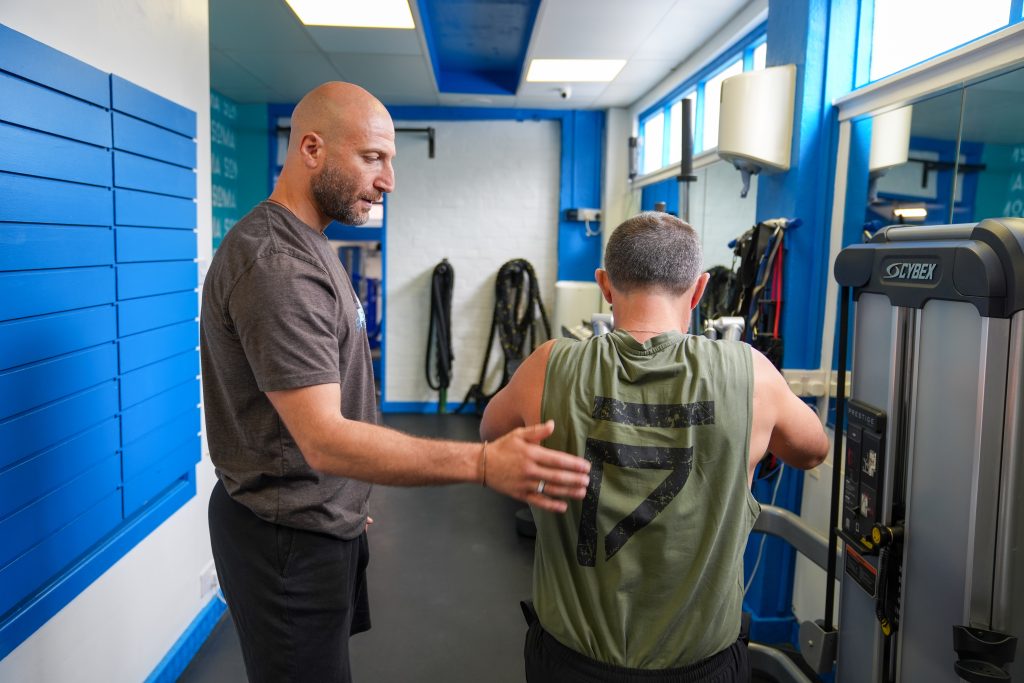
At Soma Fitness, our private personal training studio on Hale Road in Altrincham, we help men and women develop strength, fitness and physical capability around their individual goals. Whether you’re returning to football, running, tennis, padel or another recreational sport, the aim is to establish where you are now and build your training around where you want to be.
Why Returning to Sport After 40 Can Feel More Difficult
It’s tempting to attribute every physical change to getting older. While ageing can influence muscle mass, strength, power and recovery, the difference between your current fitness and what you remember from earlier life isn’t necessarily explained by age alone.
Consider how your lifestyle may have changed over the last decade. You might now spend eight hours per day at a desk, drive to most appointments and perform relatively little structured exercise. Your work may be more demanding, while family commitments leave less time for recreation.
If you’ve spent years without regular strength training or higher-intensity physical activity, it’s understandable that jumping straight back into competitive sport will feel demanding.
The important distinction is that your previous sporting experience doesn’t automatically reflect your current physical capacity.
You may remember how to play football or strike a tennis ball, but your present strength, fitness and ability to tolerate repeated sporting activity may be different.
That’s why returning gradually matters.
Don’t Train Like the Athlete You Were Twenty Years Ago
One of the challenges facing former athletes is managing expectations.
Perhaps you used to play football twice per week, sprint regularly or train in the gym five days per week. You remember how quickly you could move, how much you could lift and how easily you completed demanding sessions.
When you decide to return, there’s a temptation to pick up exactly where you left off.
Unfortunately, previous experience doesn’t remove the need to rebuild physical capacity.
A recreational footballer who hasn’t played for eight years shouldn’t automatically begin with ninety minutes of competitive football simply because that was normal in their twenties.
Similarly, someone returning to running after several years away may not be ready for the same mileage or pace they previously maintained.
A more productive approach is to use your previous experience as helpful background information while basing your current programme on what you’re physically prepared to do today.
You aren’t starting from nothing, but you may need to rebuild certain qualities before returning to higher training loads.
What Physical Qualities Should You Develop Before Returning to Sport?
Different sports create different physical demands, which means there isn’t one universal programme for everybody returning after 40.
However, several physical qualities are worth considering.
Muscular strength provides a foundation for producing force and performing physically demanding movements. Cardiovascular fitness influences your capacity to sustain activity, while power relates to your ability to produce force quickly.
Depending on the sport, we may also consider acceleration, deceleration, change-of-direction ability, balance, movement coordination and tolerance to repeated impact.
For example, someone returning to football may need to prepare for sprinting, braking and changing direction. A runner needs to progressively tolerate repeated running impacts, while a padel player encounters lateral movements, reaching, rotation and repeated accelerations.
The gym doesn’t need to recreate every movement from the sport itself. Instead, it provides an opportunity to develop physical qualities that can complement sporting practice.
Why Strength Training Should Be Part of Your Return
Resistance training is a useful foundation because it allows us to develop muscular strength in a relatively controlled and measurable environment.
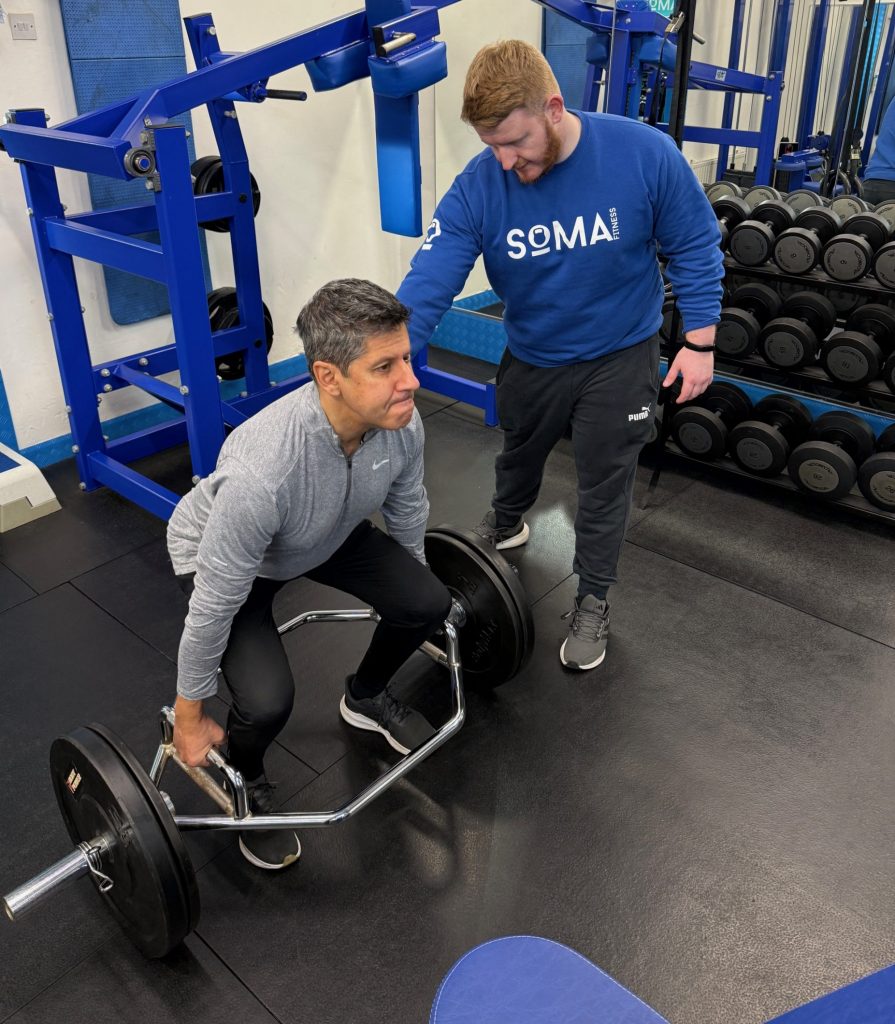
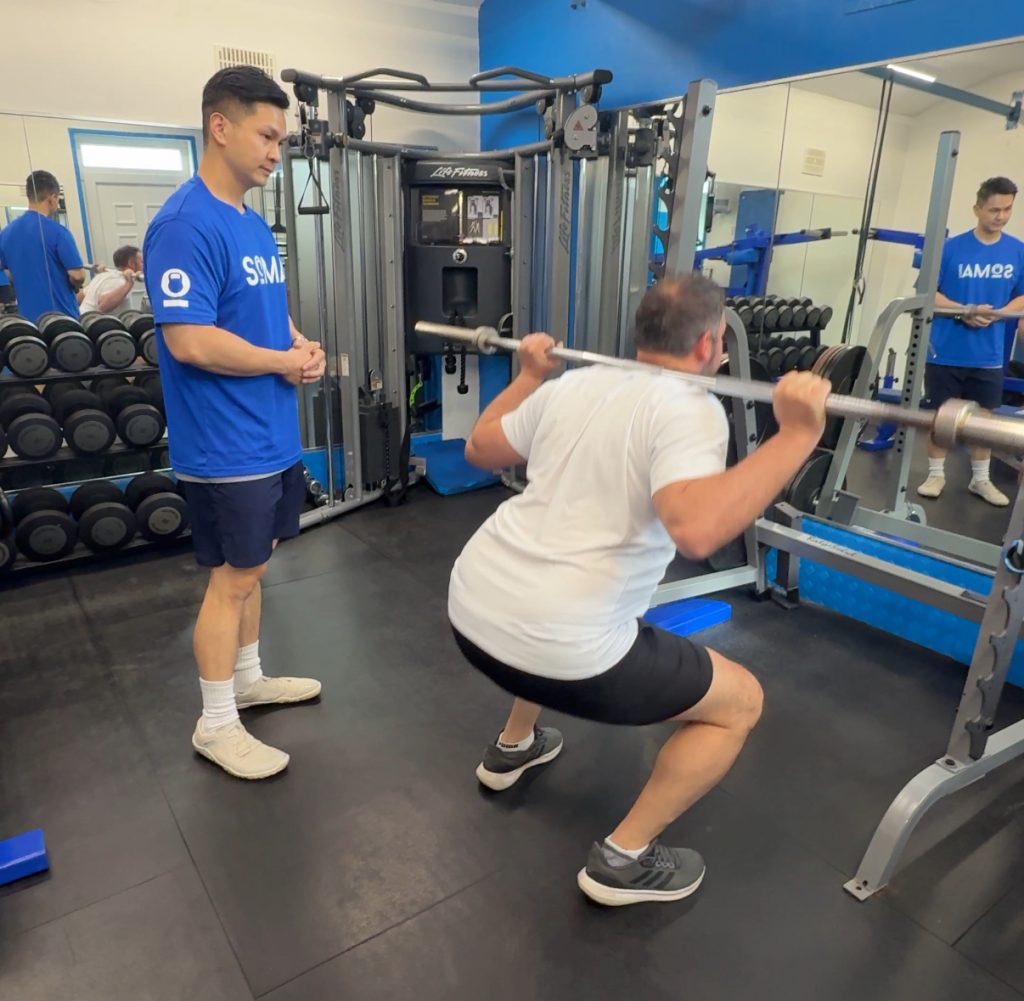
Depending on your experience and goals, a programme may include exercises such as squats, leg presses, split squats, step-ups, deadlift variations, rows, presses and calf exercises.
These movements can be selected and progressed according to your current ability.
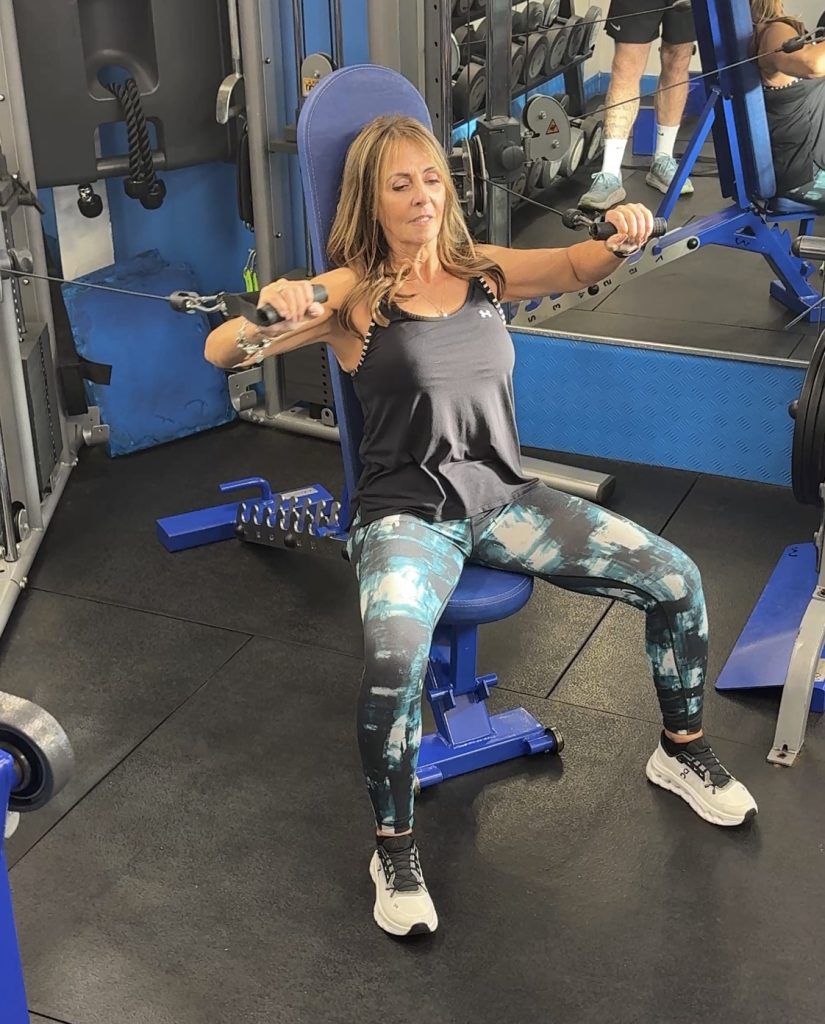
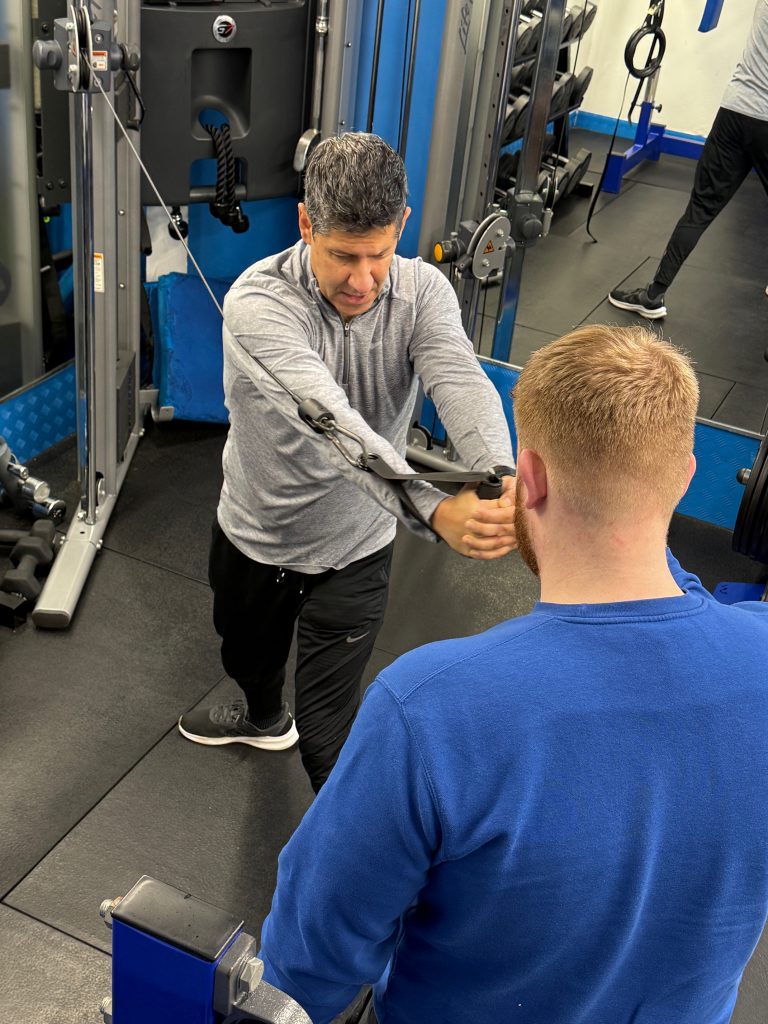
You don’t need to perform heavy barbell squats or deadlifts simply because you’re preparing for sport. Machines, dumbbells, cables and other resistance-training equipment can all be useful.
For someone returning after a prolonged period away, the initial objective may be to become comfortable with fundamental exercises and establish a consistent strength-training routine.
As physical capacity improves, the programme can become progressively more demanding.
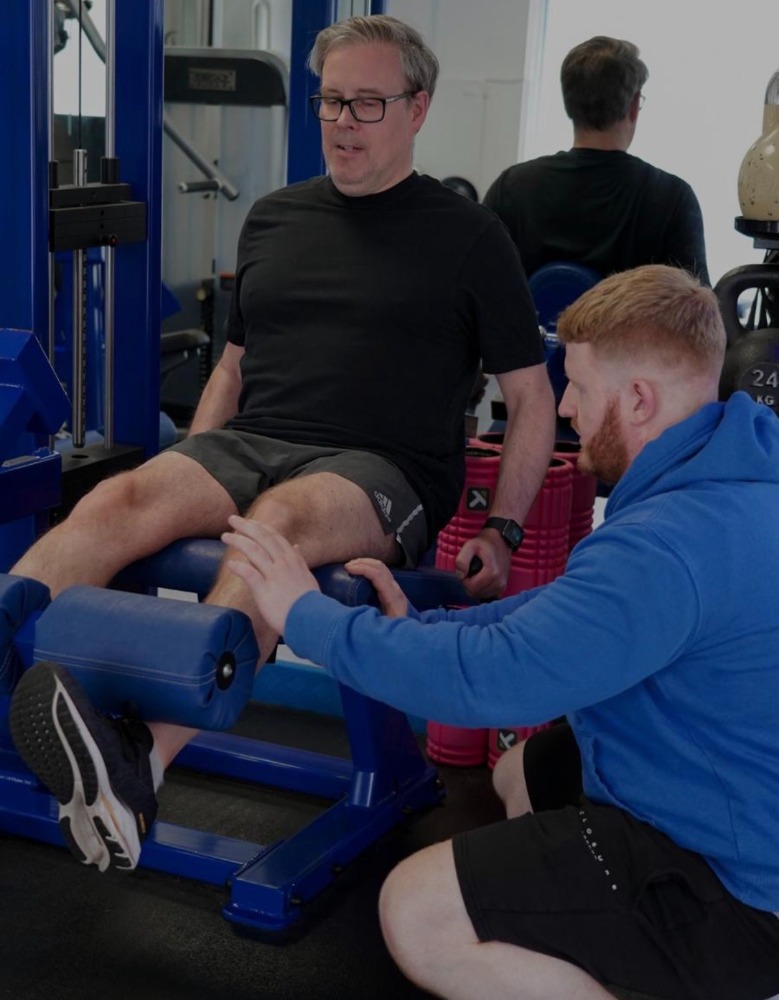
At Soma Fitness, our coaches monitor exercise performance and adjust training according to individual progression rather than following a fixed template for every client.
Power and Change of Direction: The Qualities People Often Forget
Strength is important, but many recreational sports also require you to produce force quickly.
Think about accelerating towards a football, pushing off to reach a tennis shot or changing direction during a padel rally.
These movements involve physical qualities that aren’t necessarily developed fully by conventional slow resistance exercises alone.
Depending on the individual, strength and conditioning may therefore include appropriately progressed jumps, medicine-ball throws, controlled landing exercises or change-of-direction drills.
However, introducing these exercises too aggressively can create unnecessary training demands, particularly for someone with limited recent sporting experience.
We would normally consider the person’s strength, coordination, current activity and ability to tolerate the exercise before progressing towards more demanding movements.
Not everybody needs maximal sprinting or high-impact plyometrics immediately.
The objective is gradual exposure to the physical demands that are relevant to the sport.
How to Return to Football After 40
Football is a good example of a sport where previous technical experience can exceed current physical preparation.
You may still understand the game, control the ball effectively and anticipate play, but the demands of accelerating, sprinting, changing direction and competing for possession may be greater than your current conditioning allows.
A sensible preparation programme could include lower-body strength training, progressive cardiovascular work and gradual exposure to running at different speeds.
As capacity develops, more demanding movement drills and controlled football activity can be introduced where appropriate.
Rather than immediately beginning with a full competitive match, some people may find it more practical to start with shorter, less demanding sessions and gradually increase participation.
The appropriate progression depends on your sporting background, health, current fitness and any relevant injury history.
It’s also worth remembering that a weekly football match is itself a training session. Your gym programme should account for it rather than simply adding more fatigue on top.
Returning to Running After 40
Running is often one of the first sports people return to because it’s relatively accessible and doesn’t require a team or specialist equipment.
However, running introduces repeated loading through the lower limbs, and your current tolerance to that activity may be lower than it was several years ago.
Someone who previously ran 10K comfortably might be tempted to return with a continuous 5K run at their old pace. A more manageable starting point could involve shorter distances, slower running or alternating walking and running.
The right progression depends on the person.
Strength training may also complement running by developing lower-body strength and other physical qualities. However, it needs to be organised around your running schedule, especially as mileage increases.
If running is your main goal, the gym should support that goal rather than repeatedly leaving your legs too fatigued for important runs.
We’ve published separate guidance on personal training and strength training for runners in Hale and Altrincham for people who want their gym programme organised around running.
Returning to Tennis or Taking Up Padel
Tennis and padel are popular examples of recreational sports that involve more than simply maintaining general cardiovascular fitness.
Both sports require repeated movement around a court, including acceleration, braking, changes of direction and reaching for the ball.
Depending on the individual, physical preparation may include lower-body strength, single-leg training, trunk exercises and gradually progressed faster movements.
For someone who hasn’t played court sports for several years, it’s sensible to consider not only the length of a session but also how demanding the rallies and movement patterns are.
You might begin with manageable practice sessions before progressing towards longer or more competitive matches.
Technical coaching remains important too. A personal trainer can help develop physical qualities, but racket technique, tactics and court positioning are developed through practising the sport and receiving appropriate technical instruction.
Our separate strength and conditioning for padel players article explores this area in greater detail.
What If You’re Returning After a Previous Injury?
Previous injuries are a common reason adults become hesitant about returning to sport.
Perhaps you experienced a knee injury playing football, had shoulder problems during tennis or stopped running because of persistent discomfort.
An old injury doesn’t automatically mean you can never participate in that activity again. However, the nature of the injury, current symptoms, rehabilitation status and physical demands of the sport all matter.
Personal trainers should not diagnose injuries or decide independently whether someone with an unresolved medical condition is ready to return to competitive sport.
If you’re still experiencing persistent pain, swelling, instability, significant functional limitations or other concerning symptoms, appropriate clinical assessment may be required.
Where necessary, we can adapt strength training around guidance from a physiotherapist or other relevant healthcare professional.
Members of the Soma Fitness coaching team have additional training relating to injury rehabilitation and corrective exercise, allowing us to take a considered approach to exercise selection and progression within our professional scope.
Importantly, no strength and conditioning programme can guarantee that you won’t experience another injury.
The objective is to develop physical capacity and prepare appropriately for the activity you’re planning to undertake.
A Practical Approach to Rebuilding Your Fitness for Sport
Rather than immediately attempting to train and compete at your previous level, it can be helpful to think about returning in three overlapping stages.
Stage 1: Rebuild General Physical Capacity
Initially, we establish a manageable routine built around resistance training, general cardiovascular fitness and daily activity.
For someone who has been relatively inactive, two structured strength sessions per week may provide a useful starting point, alongside appropriate walking, cycling or other lower-intensity activity.
The focus is on developing consistency, learning exercises and building a foundation without creating unnecessary fatigue.
Stage 2: Introduce More Demanding Physical Qualities
As strength and general conditioning improve, we may gradually introduce faster movements, power exercises or more demanding conditioning, depending on your sport.
For someone returning to football, this might include progressive running and controlled change-of-direction work. For a tennis or padel player, we may place greater emphasis on lateral movement and rotational power.
These exercises aren’t compulsory for everyone. They should be selected according to the demands of the sport and your individual capacity.
Stage 3: Gradually Increase Sporting Participation
Finally, participation in the sport itself becomes a progressively larger part of the programme.
That might mean increasing running distance, extending time on court or gradually participating in more demanding football sessions.
The pace of progression will vary. There is no universal four-week or six-week timeline that guarantees readiness for every person and every sport.
Previous injury, current fitness, training response and the intensity of the activity should all influence the process.
The aim is to build towards meaningful participation rather than rushing through arbitrary stages.
How Much Training Do You Need Each Week?
A common concern is that returning to sport requires spending hours in the gym every day.
For many recreational athletes, that simply isn’t necessary.
Two well-designed resistance-training sessions each week can provide a useful foundation, particularly when combined with appropriately progressed sporting activity and cardiovascular training.
For example, someone returning to padel might perform two strength sessions alongside one or two manageable padel sessions. Someone returning to football may need a different arrangement based on training nights and matches.
The programme should also consider your working schedule, family responsibilities, sleep and other activity.
At Soma Fitness, we aim to develop training plans that fit into your life rather than expecting fitness to become your only priority.
Recovery Matters as Much as Motivation
When you’ve spent years away from sport, the excitement of returning can make it tempting to do too much too quickly.
You might begin with two gym sessions, add several runs, play football at the weekend and decide to include extra conditioning because you’re feeling motivated.
Although motivation is useful, your ability to recover still matters.
Training creates a stimulus, but adaptation depends on applying an appropriate amount of stress and allowing sufficient recovery.
Sleep, nutrition, training history, age, work demands and overall activity all influence that process.
One important distinction is that your recreational sport counts towards your training workload.
A demanding football match or a long padel session isn’t simply leisure from a physiological perspective. It contributes to muscular work, cardiovascular demand and fatigue.
Your gym programme should be structured with that in mind.
You Don’t Need to Reach Your Previous Level to Enjoy Sport Again
For some people, returning to sport becomes frustrating because they constantly compare their current performance with what they achieved years ago.
Perhaps you used to run considerably faster, play competitive football or train multiple times per week.
Those memories can provide motivation, but they can also create expectations that aren’t particularly helpful.
Your goal today doesn’t need to be reproducing your best performance from twenty years ago.
It might be playing football socially once per week, completing a local 10K, enjoying regular padel or simply feeling confident enough to participate again.
As your physical capacity develops, your goals may change.
The important thing is building a training approach that helps you return to an activity you value.
Why Private Personal Training Can Help
Returning to sport often involves more considerations than simply following a generic gym programme.
We need to understand your previous sporting background, current activity, physical limitations, training experience and intended sporting schedule.
Private one-to-one coaching provides an opportunity to address these factors within a structured programme.
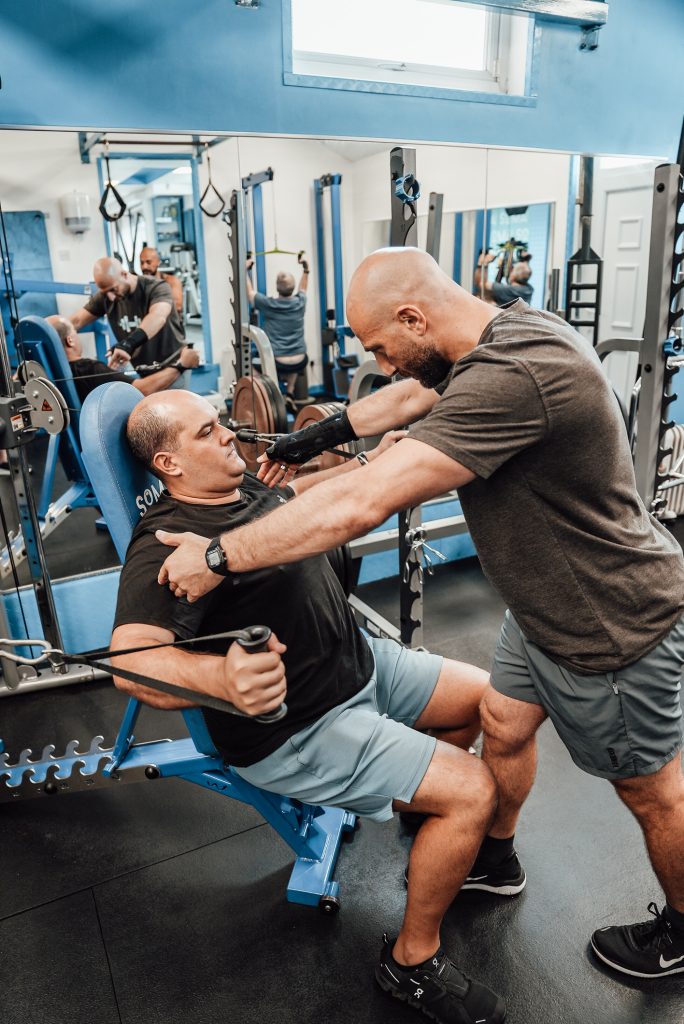
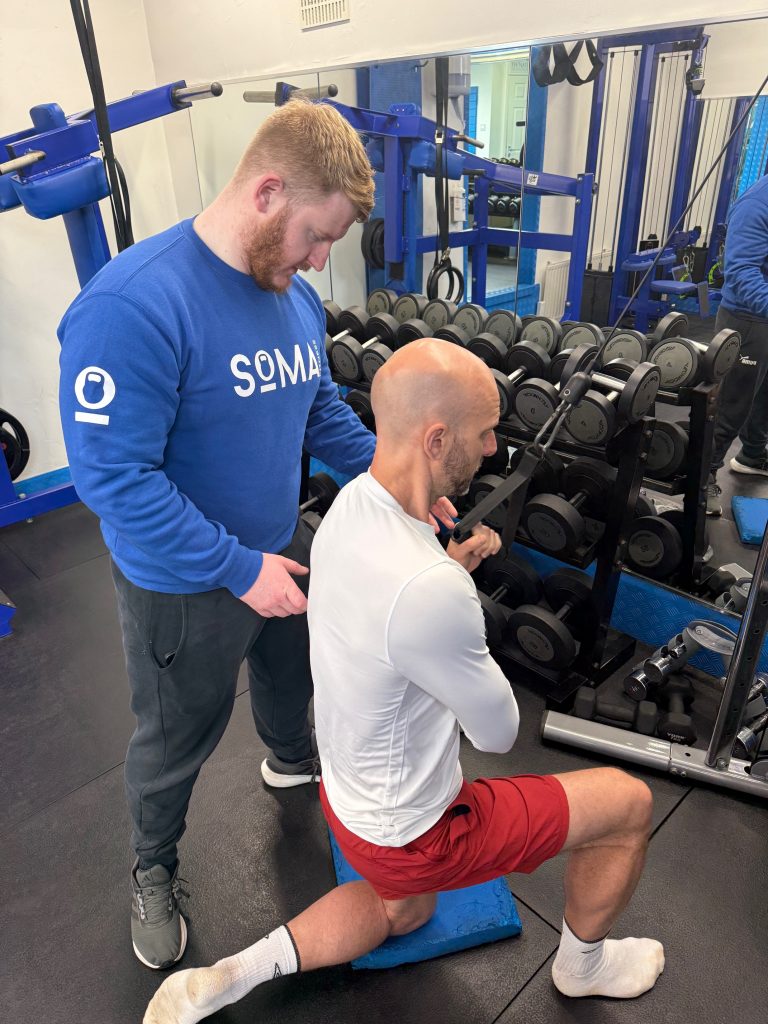
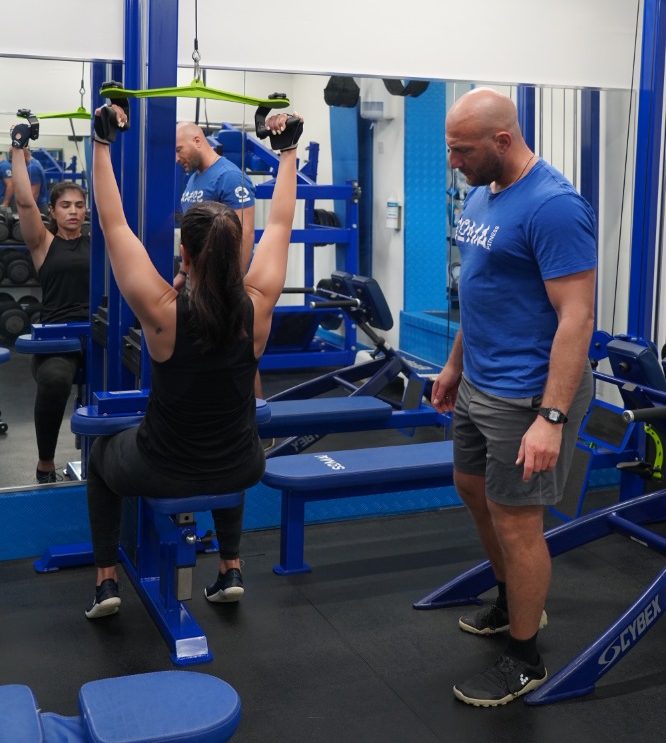
At Soma Fitness, your coach can select suitable exercises, monitor performance, adjust training loads and consider how your gym sessions fit alongside your chosen sport.
You aren’t expected to arrive knowing how to organise your training.
We help establish an appropriate starting point and a progression based on your goals.
Our sessions are 60 minutes, allowing time for preparation, meaningful resistance training, appropriate recovery between sets and individual coaching.
As your training develops, the programme can be adjusted to reflect your increasing physical capacity and sporting participation.
Personal Training for Returning to Sport in Hale and Altrincham
Soma Fitness is a private personal training studio at 37 Hale Road, Altrincham, WA14 2EY, serving clients from Hale, Bowdon, Hale Barns, Timperley, Sale and surrounding South Manchester.
We’ve been coaching men and women locally since 2007, helping clients improve their strength, fitness, body composition and physical capability.
Whether you’re returning to football after ten years away, looking to play tennis again, preparing for a running event or getting involved in padel, we can discuss how structured strength and conditioning may support your goals.
The objective isn’t to make you train like a professional athlete.
It’s to help you develop the physical qualities relevant to the activities you want to enjoy.
Frequently Asked Questions
Is 40 too old to return to sport?
No. Many adults continue participating in recreational sport throughout their 40s, 50s and beyond. Your return should reflect your current health, physical capacity, previous experience and the demands of the activity.
Should I get fit before playing football again?
If you’ve been inactive for several years, building strength and cardiovascular fitness before returning to demanding competitive football may be sensible. The appropriate approach depends on your current fitness, sporting history and health.
Is strength training important when returning to sport?
Strength training can be a valuable part of physical preparation because it develops muscular strength and other qualities that may complement sporting activity.
How many gym sessions do I need per week?
There’s no universal requirement. For many recreational athletes, one to three appropriately programmed resistance-training sessions can fit alongside their sporting activity, depending on their goals and recovery.
Can I return to running after several years away?
Many people can return to running following an extended break. A gradual progression based on your current capacity is generally more sensible than immediately attempting your previous mileage or pace.
What if I have an old knee, back or shoulder injury?
A previous injury doesn’t always prevent exercise or sport, but unresolved symptoms or relevant medical conditions may require assessment and guidance from an appropriate healthcare professional.
Can strength training prevent sports injuries?
No exercise programme can guarantee injury prevention. Strength and conditioning can develop physical capacity, but injury risk is influenced by multiple factors.
Do I need previous gym experience?
No. We work with beginners as well as experienced individuals returning to exercise. Your coach can teach the exercises and gradually progress your programme.
Can you help me prepare for padel, tennis or recreational football?
We can provide strength and conditioning to develop relevant physical qualities around your chosen sport. Technical instruction and sport-specific skills remain separate from gym-based personal training.
How long are Soma Fitness sessions?
All our private one-to-one personal training sessions are 60 minutes.
Where is Soma Fitness located?
Our private personal training studio is located at 37 Hale Road, Altrincham, WA14 2EY.
Ready to Enjoy Sport Again? Start by Rebuilding Your Physical Capacity
You don’t have to accept that the sports you enjoyed in your twenties and thirties are permanently behind you.
Your circumstances may have changed, your fitness may be different and your training may need a more considered approach than it did years ago.
But you can still work towards becoming stronger, fitter and more physically capable.
At Soma Fitness, we help men and women build structured strength and conditioning programmes around their individual circumstances and sporting goals.
Whether you’re returning to football, running, tennis, padel or another activity, our private one-to-one coaching can provide a clear starting point and a progressive approach to training.
If you’re based in Hale, Altrincham or surrounding South Manchester, your first step is a free consultation.
Come into our studio, meet one of our coaching team and tell us which sport you’d like to return to, how long you’ve been away and what you want to achieve.
We’ll discuss your current fitness, training experience and how we could approach your physical preparation.
You don’t need to become the athlete you were twenty years ago. You can build the physical capacity to enjoy sport again today.
Book your free consultation at Soma Fitness.
Telephone: 07769 902 529
Email: info@somafitness.uk
Address: 37 Hale Road, Altrincham, WA14 2EY
Recent Comments