Opening Times:

6.00 AM - 21.00 PM

Call Us:

077699 02529

Private Personal Trainer in Hale | One-to-One Coaching Without the Busy Gym
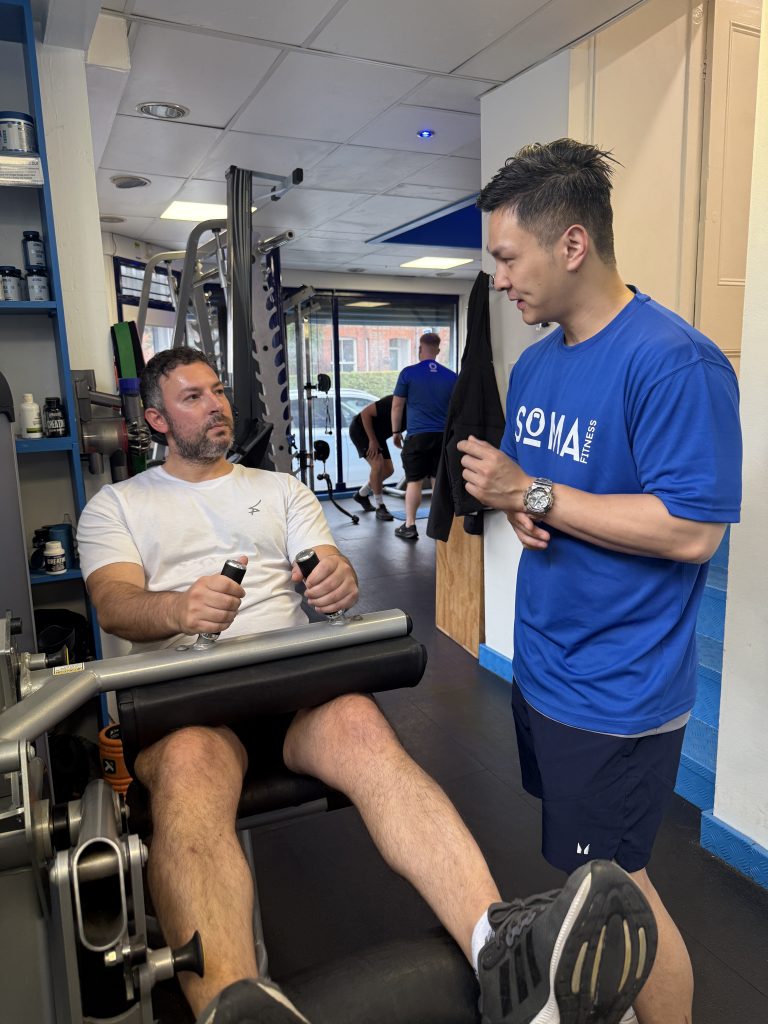
Private one-to-one personal trainer coaching a client at Soma Fitness near Hale
Private one-to-one personal training at Soma Fitness on Hale Road, serving Hale and Altrincham.

For some people, joining a large commercial gym works perfectly.

They enjoy training independently.

They know what exercises to perform.

They don’t mind a busy environment.

And they’re happy organising their own program.

But that’s not everybody.

Perhaps you’ve joined gyms before and rarely used them.

Maybe you don’t enjoy training around hundreds of other people.

Perhaps you’re unsure what exercises you should be doing.

Or you simply want to arrive, work with an experienced coach for an hour, and know that your training has been organised properly.

That’s where private personal training offers something different.

At Soma Fitness, we provide private one-to-one personal training from our studio on Hale Road in Altrincham, ideally located for clients living and working throughout Hale, Altrincham, Bowdon, Hale Barns, Timperley, Sale and surrounding South Manchester.

We’re not an open-membership commercial gym.

Our facility is focused on coaching.

Here’s what that actually means.

What Is Private Personal Training?

Private personal training is exactly what it sounds like.

Instead of purchasing a gym membership and being left to train independently, you’re working directly with a coach.

Your session is booked.

Your program is organised.

Your coach knows what you did last time.

And the session is built around you.

That means we’re considering:

Your goals.

Training experience.

Current fitness.

Strength.

Previous injuries.

Lifestyle.

Schedule.

Preferences.

And how you’re progressing.

The objective isn’t simply providing access to equipment.

It’s providing coaching.

A Private Gym Is Different From a Commercial Gym

Walk into a large commercial gym at 5:30pm and you may find:

A packed car park.

Busy changing rooms.

Queues for equipment.

Benches occupied.

People waiting for machines.

Music.

Phones.

Cameras.

And a lot happening around you.

Some people love that atmosphere.

Others don’t.

At Soma Fitness, the environment is different.

The studio exists primarily for one-to-one personal training sessions.

You’re not competing with a large open-membership crowd for equipment.

You arrive to train with your coach.

That allows us to focus on the reason you’re there.

Why Do Some People Prefer Private Personal Training?

There are lots of reasons.

For some people, it’s confidence.

For others, it’s privacy.

Some simply dislike commercial gyms.

Others are extremely busy and don’t want to waste time trying to work out what they should be doing.

And some people value having somebody take responsibility for structuring and progressing their training.

There’s no universal “best” gym environment.

The question is:

Which environment makes you more likely to train consistently and effectively?

You Don’t Need to Feel Confident in a Gym Before You Start

This is particularly important for beginners.

People sometimes tell us:

“I want to get a little fitter before I start personal training.”

But that defeats much of the purpose.

You don’t need to arrive knowing:

How to squat.

How to deadlift.

How to use a cable machine.

How many repetitions to perform.

What weight to choose.

Or how hard you should be working.

That’s what coaching is for.

We teach you.

Private Training Can Make Starting Less Intimidating

Walking into a large gym for the first time can feel uncomfortable.

You may be wondering:

Where do I go?

Which machine do I use?

Is somebody waiting for this?

Am I doing this correctly?

Is everyone watching me?

In reality, most people in commercial gyms are concentrating on themselves.

But that doesn’t mean the feeling isn’t real.

A private training environment removes much of that uncertainty.

You have an appointment.

You meet your coach.

And they guide you through the session.

You Have a Program – Not Just a Workout

This distinction matters.

A workout is what you do today.

A program is how today’s training connects to:

Last week.

Next week.

Next month.

And ultimately your goal.

Good personal training shouldn’t simply be a collection of random hard workouts.

There should be a reason behind what you’re doing.

We want to know:

What are we trying to improve?

What did you do last time?

Are you getting stronger?

Has your technique improved?

Do we need more repetitions?

More resistance?

A different exercise?

More recovery?

That’s programming.

Your Training Is Built Around Your Goal

Different goals require different priorities.

You might want to:

Lose body fat.

Build muscle.

Become stronger.

Improve cardiovascular fitness.

Return to exercise.

Improve sporting performance.

Train around previous injuries.

Prepare for an event.

Or simply feel physically capable again.

Your program should reflect that.

We don’t need every Soma Fitness client performing exactly the same exercises.

One-to-One Means the Coach Can Actually Watch You

This is one of the biggest advantages of individual coaching.

Your coach isn’t trying to supervise twenty people simultaneously.

They’re watching:

Your setup.

Technique.

Range of motion.

Control.

Effort.

Performance.

And how you’re responding to the exercise.

If something needs adjusting, it can be adjusted.

If something looks good, we can progress it.

Technique Is Individual

Good technique doesn’t mean forcing every human being into an identical position.

People have different:

Limb lengths.

Body proportions.

Mobility.

Training histories.

Injury histories.

And movement preferences.

A good coach understands the principles of an exercise and then finds an appropriate way for you to perform it.

That’s very different from simply shouting:

“Keep your knees behind your toes.”

because somebody heard it twenty years ago.

We Don’t Need to Make Exercise Complicated

Personal training sometimes gets confused with entertainment.

A trainer thinks:

“I need to give the client something new every session.”

So every workout contains:

Different exercises.

Bands.

Balance equipment.

Circuits.

Novelty.

And constant variation.

But novelty isn’t the same as progress.

Most people benefit from learning good exercises and then becoming better at them.

Progressive Overload Matters

If your goal is getting stronger or building muscle, eventually we need progression.

That might mean:

More weight.

More repetitions.

More sets.

Better control.

Improved range of motion.

A more challenging variation.

We track training so we can see whether you’re actually progressing.

You’re not simply coming in to sweat for an hour.

Why Soma Fitness Uses 60-Minute Sessions

At Soma Fitness, our one-to-one personal training sessions are 60 minutes.

We deliberately use an hour because it gives us enough time to coach without unnecessarily rushing the session.

That can include:

A discussion about how you’re feeling.

Preparation.

Warm-up.

Primary exercises.

Appropriate rest periods.

Accessory work.

Technique coaching.

Progression.

And discussion around your program.

A shorter session can absolutely be effective.

But our coaching model is built around having enough time to deliver the session properly.

Resting Between Sets Isn’t Wasted Time

This surprises people who associate good training with being constantly exhausted.

If you’re performing challenging resistance training, rest periods can be important.

Suppose you’re trying to perform:

Eight good repetitions.

You finish the set.

Your muscles are fatigued.

Your breathing is elevated.

Then thirty seconds later, somebody forces you into another heavy set purely because they want to keep you moving.

Your performance may fall dramatically.

Sometimes resting is exactly what allows the next set to be productive.

You Don’t Need to Leave the Gym Destroyed

A good personal training session doesn’t have to end with you lying on the floor.

Fatigue is easy to create.

Progress requires more thought.

Of course, training should sometimes be difficult.

But we’re interested in:

Getting stronger.

Building muscle.

Improving fitness.

Learning technique.

Improving work capacity.

And progressing over time.

Not simply proving that we can make you tired.

Private Personal Training for Fat Loss in Hale

Fat loss is one of the most common reasons people contact us.

And personal training can be extremely useful as part of that process.

But we don’t pretend that one hour of exercise magically removes body fat.

Fat loss requires an appropriate energy deficit over time.

That’s why the process may include:

Resistance training.

Cardiovascular exercise.

Daily activity.

Nutrition.

Protein.

Step targets.

Progress monitoring.

And lifestyle habits.

The training session is important.

But so is what happens outside the gym.

Strength Training During Fat Loss

When someone wants to lose weight, they often assume they need endless cardio.

Cardio can absolutely be useful.

But resistance training also deserves an important place in a fat-loss program.

Why?

Because while body weight is decreasing, we generally want to retain as much useful lean tissue as reasonably possible.

Strength training provides a reason for the body to maintain muscle.

Combined with appropriate protein and nutrition, that can help support improvements in body composition.

Private Personal Training for Muscle Building in Hale

Other clients aren’t trying to lose weight.

They want to build muscle.

That requires a different approach.

We need:

Appropriate exercise selection.

Enough training volume.

Progressive overload.

Appropriate proximity to muscular failure.

Nutrition.

Protein.

Recovery.

And enough time.

Building muscle isn’t about discovering a secret exercise.

It’s about consistently executing the fundamentals.

Private Personal Training for Strength

Strength can be a goal in itself.

But it’s also useful for everyday life.

Becoming stronger can improve your capacity to:

Lift.

Carry.

Climb.

Move.

Play sport.

And handle physical tasks.

You don’t need to compete in powerlifting to benefit from being stronger.

Personal Training for Busy Professionals in Hale

A large proportion of our clients have demanding schedules.

They may be:

Business owners.

Directors.

Solicitors.

Accountants.

Consultants.

Managers.

Healthcare professionals.

Or parents trying to fit exercise around work and family.

Their problem often isn’t that they’ve never heard of exercise.

It’s that fitness continually gets pushed down the priority list.

Your Training Goes in the Diary

One advantage of personal training is simple:

You have an appointment.

Tuesday at 7am.

Thursday at 6pm.

Whatever your regular schedule happens to be.

Your coach is there.

The session is planned.

You don’t need to spend twenty minutes deciding whether you’re motivated enough to train.

You turn up.

That structure can make a huge difference.

You Don’t Need to Live in the Gym

Many busy professionals assume getting into shape requires:

Five gym sessions.

Two-hour workouts.

Meal preparation every Sunday.

No restaurants.

No alcohol.

No social life.

It doesn’t.

The program needs to reflect:

Your goal.

Current position.

Available time.

And what you can consistently maintain.

For many clients, two or three well-structured training sessions per week can provide a strong foundation.

What If You Want to Train Outside Your PT Sessions?

That’s something we can incorporate too.

Perhaps you train twice per week with your Soma coach but also want to:

Go to another gym.

Run.

Cycle.

Play golf.

Box.

Attend another activity.

Or complete an additional resistance session independently.

Your overall program can take that activity into account.

Personal training doesn’t need to exist in isolation from the rest of your life.

Private Personal Training for People Over 40

Many of the men and women we coach are over 40.

Often they’ve reached a point where:

Work has become demanding.

Children have changed their routine.

Activity has decreased.

Body weight has gradually increased.

Strength isn’t what it used to be.

And the training approach they used in their 20s no longer fits their life.

That’s normal.

We start with the person standing in front of us today.

You Can Still Build Muscle After 40

Turning 40 doesn’t suddenly remove your ability to adapt to resistance training.

You can still:

Get stronger.

Build muscle.

Improve fitness.

Change body composition.

The program simply needs to be appropriate.

Consistency becomes particularly important.

You don’t need to train like you’re preparing for the Olympics.

You need to train well enough, frequently enough and for long enough.

Personal Training Over 50 and 60

As we get older, resistance training can become even more valuable.

The goal may shift.

Aesthetics may still matter.

But clients increasingly tell us they want to:

Remain strong.

Stay independent.

Continue travelling.

Play golf.

Walk comfortably.

Carry luggage.

Keep up with grandchildren.

And remain physically capable.

Muscle and strength give us physical reserve.

That’s worth maintaining.

Women Are Welcome at Soma Fitness

This sounds obvious, but it’s worth making clear because people sometimes assume private strength-training facilities are primarily for men.

They’re not.

Soma Fitness coaches both men and women.

Women’s goals may include:

Fat loss.

Strength.

Muscle development.

Fitness.

Menopause-related changes in body composition.

Healthy ageing.

Returning to training.

Or simply wanting to feel better physically.

Training is individualised accordingly.

What About Menopause?

Menopause can coincide with changes in:

Body composition.

Bone health.

Recovery.

Sleep.

And other aspects of health and wellbeing.

Resistance training can form an important part of an active lifestyle through this stage.

But we don’t promote:

“hormone-reset workouts.”

“menopause detoxes.”

Or other gimmicks.

We focus on the fundamentals we can actually influence.

What If You Have Previous Injuries?

Previous injuries don’t automatically mean you can’t train.

Perhaps you’ve experienced problems with:

Your back.

Shoulder.

Knee.

Hip.

Wrist.

Or another area.

The important thing is understanding:

What happened?

What symptoms do you currently have?

What can you tolerate?

Have you received a diagnosis?

Are there movements we should modify?

Members of our coaching team have additional qualifications in injury rehabilitation and corrective exercise, helping us adapt training appropriately where suitable.

Personal Training Doesn’t Replace Healthcare

This distinction matters.

We’re personal trainers.

We’re not pretending to be doctors.

If you have symptoms requiring medical or physiotherapy assessment, that should happen.

Where appropriate, training can then work alongside clinical guidance.

Good coaching includes knowing when something sits outside your scope.

You Don’t Have to Be “Fixed” Before Exercising

The opposite problem also occurs.

People become convinced their body is:

Broken.

Misaligned.

Fragile.

And therefore incapable of exercise.

That’s rarely a useful mindset.

Many people can gradually rebuild:

Strength.

Capacity.

Confidence.

And tolerance to movement.

The process simply needs to reflect the individual.

Private Personal Training for Complete Beginners

If you’ve never trained before, private coaching can provide a very straightforward introduction.

You don’t need to learn everything at once.

Initially, we’ll teach you:

How exercises work.

How to set equipment up.

How to control the movement.

How to breathe.

How much weight to use.

How hard to work.

Then gradually, you become more competent.

Confidence Comes From Competence

People sometimes wait for confidence before they start.

But confidence often comes after you develop skill.

The first time you use an exercise, it might feel awkward.

After ten sessions, it feels familiar.

After fifty, you barely think about the setup.

That’s how skill acquisition works.

Training becomes less intimidating because you become better at it.

What Happens During Your First Consultation?

Before beginning personal training at Soma Fitness, we’ll arrange a free consultation.

We’ll sit down and discuss:

Your goals.

Training history.

Current activity.

Lifestyle.

Work schedule.

Nutrition.

Previous injuries.

Availability.

And what you’d like to achieve.

You can also see the facility and ask questions.

The Consultation Is About Fit

We’re not interested in pretending personal training is right for every person.

The consultation helps both sides decide whether the service makes sense.

Perhaps you want:

Two sessions per week.

Early mornings.

A particular type of coaching.

Or support around a specific goal.

We can discuss what’s available and how we’d approach it.

Then you can make an informed decision.

What Happens After the Consultation?

If you decide to begin, we arrange your coaching schedule and start building your program.

The early phase gives your coach an opportunity to understand:

Your movement.

Current strength.

Training tolerance.

Confidence.

And how quickly we should progress.

We don’t need to prove anything in session one.

We’re establishing the foundation.

What Does Progress Look Like?

It depends on your goal.

Progress might mean:

Losing body fat.

Becoming stronger.

Increasing repetitions.

Building muscle.

Improving cardiovascular fitness.

Walking more.

Reducing waist circumference.

Improving exercise technique.

Training consistently.

Returning to sport.

Or simply feeling physically capable again.

We need measurements that make sense for your objective.

The Scale Isn’t the Only Measure

If fat loss is your primary goal, body weight can be useful.

But even then, we can consider:

Waist measurements.

Progress photographs.

Training performance.

Clothing.

Activity.

Adherence.

And longer-term trends.

One random weigh-in doesn’t tell the entire story.

Why Accountability Works

Everybody has weeks where motivation drops.

Work gets busy.

Children get ill.

You travel.

Sleep suffers.

Life happens.

Good coaching isn’t about expecting perfection.

It’s about helping you prevent:

One difficult week

from becoming:

Three months without training.

The ability to return quickly matters enormously.

Why Location Matters

This is often underestimated.

You could find an incredible trainer an hour away.

But are you realistically going to make that journey twice per week for the next two years?

Convenience matters.

Our studio on Hale Road in Altrincham is particularly accessible for people living or working around:

Hale.

Altrincham.

Bowdon.

Hale Barns.

Timperley.

Sale.

And surrounding areas.

The easier training is to fit into your normal routine, the easier consistency becomes.

Personal Trainer Near Hale

If you’ve been searching online for:

Personal trainer near Hale

private personal trainer Hale

one-to-one PT Hale

or:

private gym near Hale

Soma Fitness provides a different option from simply purchasing another gym membership.

You’re buying structured coaching.

Is Private Personal Training More Expensive Than a Gym Membership?

Yes, generally.

A commercial gym membership gives you access to a facility.

Personal training gives you a coach’s time, attention, programming and expertise.

They’re different services.

If you already know exactly what you’re doing and train consistently alone, you may not need personal training.

But if you’ve spent years paying for gym memberships you rarely use, the cheapest monthly option hasn’t necessarily provided the best value.

What Are You Actually Paying For?

With good personal training, you’re paying for more than an hour of exercise.

You’re paying for:

Coach experience.

Program design.

Technique coaching.

Progression.

Accountability.

Progress tracking.

A private training environment.

And somebody taking responsibility for organising the process with you.

That’s the value proposition.

How Often Should You See a Personal Trainer?

There isn’t one answer.

For many people:

Two to three sessions per week

works very well.

Others may train once per week with a coach and complete additional sessions independently.

Some clients may temporarily train more frequently.

The appropriate frequency depends on:

Your goal.

Budget.

Schedule.

Experience.

Independent training.

And other activity.

Can You Get Results Training Twice Per Week?

Absolutely.

Two well-structured sessions can provide a meaningful resistance-training stimulus.

Especially for:

Beginners.

People returning to exercise.

Busy professionals.

And people completing additional physical activity outside the studio.

More sessions can provide more training opportunities.

But two good sessions performed consistently can achieve considerably more than five sessions you never actually manage to complete.

How Long Does It Take to See Results?

It depends on what result you’re looking for.

Strength can begin improving relatively quickly.

Exercise confidence may improve within weeks.

Body composition generally takes longer.

Significant muscle growth takes time.

Fitness improves progressively.

We don’t want to sell:

“Transform your body in 14 days.”

We want to build results you can actually maintain.

Why Soma Fitness?

Soma Fitness has been coaching clients locally since 2007.

Our approach is built around:

Private one-to-one coaching.

Individualised programming.

60-minute sessions.

Progress tracking.

Strength training.

Cardiovascular fitness.

Nutrition and lifestyle support.

And adapting the process to the individual.

We’re not trying to be the biggest gym.

We’re trying to provide a high-quality coaching environment for people who value individual attention.

Frequently Asked Questions

Is Soma Fitness actually in Hale?

Soma Fitness is located on Hale Road in Altrincham, immediately serving the Hale and Altrincham area and convenient for Bowdon, Hale Barns, Timperley and surrounding South Manchester.

Is Soma Fitness a private gym?

Soma Fitness is a private personal training studio focused on one-to-one coaching rather than an open-membership commercial gym.

Do other people train in the gym during my session?

The facility is centred around coached personal training rather than unrestricted public gym access. Your session is delivered directly with your coach rather than you being left to navigate a busy commercial gym independently.

Do you train both men and women?

Yes. Soma Fitness provides personal training for both men and women across a wide range of ages, experience levels and goals.

Can complete beginners start personal training?

Yes. You don’t need previous gym experience. Exercise technique, equipment setup, appropriate loading and progression can all be taught during your coaching.

Can you help with weight loss?

Yes. Personal training can form part of a structured fat-loss program incorporating resistance training, activity, cardiovascular exercise and nutrition guidance. An appropriate energy deficit is still required for fat loss.

Can you help me build muscle?

Yes. Muscle-building program can incorporate appropriate resistance training, progressive overload, nutrition, protein and recovery.

Can I train if I’m over 50?

Yes. Training is adapted to the individual rather than assuming age alone determines ability.

How long are your personal training sessions?

Soma Fitness provides 60-minute one-to-one personal training sessions.

Do you offer nutrition support?

Nutrition and lifestyle guidance can be incorporated where appropriate to support goals such as fat loss, muscle building and general fitness.

Do you offer a free consultation?

Yes. The first step is a free consultation with one of our coaching team.

Looking for a Private Personal Trainer in Hale?

If you’re tired of:

Joining gyms and not going.

Walking into the gym without a plan.

Starting and stopping.

Trying random workouts.

Feeling uncomfortable in busy gyms.

Or simply not seeing the progress you want…

perhaps you don’t need another gym membership.

Perhaps you need coaching.

At Soma Fitness, we provide private one-to-one personal training from our studio on Hale Road in Altrincham, conveniently located for Hale and the surrounding areas.

Whether your goal is:

Fat loss.

Muscle building.

Strength.

Fitness.

Healthy ageing.

Returning to exercise.

Or simply becoming consistent again…

we can help you build a structured plan.

Your first step is a free consultation.

Come in.

See the studio.

Meet one of our coaches.

Tell us what you’re trying to achieve.

And we’ll explain how we’d approach your training.

There is no requirement to arrive already fit.

You start from where you are.

If you’re looking for a private personal trainer in Hale or Altrincham, contact Soma Fitness today and arrange your free consultation.

Looking for a Personal Trainer in Altrincham? Here’s How We Help You Get Started

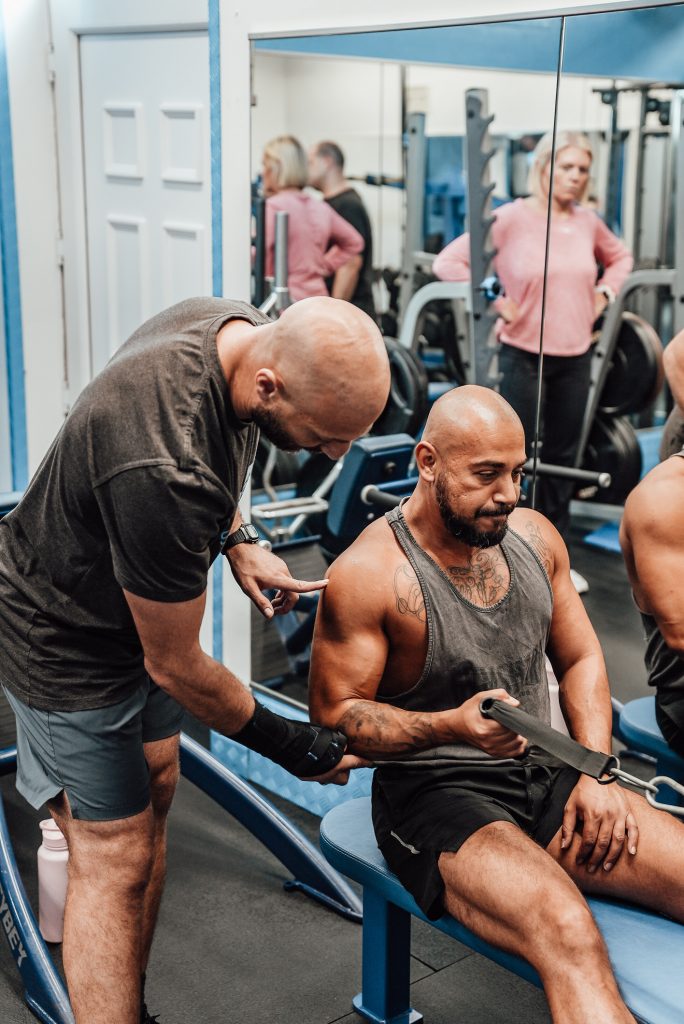
Personal trainer coaching a client during a private one-to-one session at Soma Fitness in Altrincham
Private one-to-one personal training at Soma Fitness on Hale Road in Altrincham.

If you’re looking for a personal trainer in Altrincham, there’s a good chance you already know you need to make a change.

Perhaps you’ve joined gyms before but struggled to stay consistent.

Maybe you’ve spent years prioritising your career, business or family and your own fitness has gradually moved down the list.

Perhaps you used to train regularly but you’ve fallen out of routine.

Or maybe you’re already exercising but aren’t seeing the progress you’d expect from the amount of effort you’re putting in.

Whatever the reason, getting started doesn’t need to be complicated.

At Soma Fitness, we provide private one-to-one personal training from our studio on Hale Road in Altrincham, working with men and women from Altrincham, Hale, Bowdon, Hale Barns, Timperley, Sale and the surrounding areas.

And you don’t need to be fit before you contact us.

That’s what we’re here to help you with.

Who Is Personal Training at Soma Fitness For?

There isn’t one type of Soma Fitness client.

We coach men and women.

Some are experienced in the gym.

Others haven’t exercised properly for years.

Some want to lose body fat.

Others want to build muscle.

Some want to become stronger.

Some simply want to feel fitter, healthier and more confident again.

A large proportion of the people we work with are busy professionals, business owners and parents who don’t want fitness to consume their entire lives.

They want to know:

What should I do?

How often should I do it?

How hard should I train?

What should I eat?

And how do I make all of this fit around my actual life?

That’s where personal training becomes valuable.

You Don’t Need to Get Fit Before Seeing a Personal Trainer

This is one of the biggest misconceptions we hear.

People sometimes delay contacting us because they think:

“I’ll get myself a little fitter first.”

But if you’re struggling to get started on your own, waiting until you’re fitter before asking for help doesn’t make much sense.

You don’t need to know how to squat.

You don’t need to understand gym equipment.

You don’t need to know how much weight to lift.

And you certainly don’t need to look like someone who already trains.

Your starting point is simply your starting point.

Our job is to build from there.

What If You Haven’t Trained for Years?

That’s completely normal.

We’ve coached plenty of people returning to exercise after long periods away.

The first few weeks aren’t about destroying you.

They’re about establishing a foundation.

We want to understand:

Your current fitness.

Your strength.

Your training experience.

Your movement.

Your confidence.

Your injury history.

And how your body responds to training.

From there, we can gradually progress.

You don’t need to recreate the workouts you were doing when you were 25.

You need the right programme for where you are today.

What If You’ve Never Used a Gym Before?

That’s fine too.

Personal training can actually be particularly valuable for beginners because you learn how to train properly from the beginning.

We’ll teach you:

How to set exercises up.

How to use the equipment.

How to position yourself.

How to control repetitions.

How hard to work.

How much rest to take.

How to progress exercises.

And what good training should actually feel like.

Nobody walks into a gym for the first time already knowing everything.

Training is a skill.

Skills can be learned.

What If You’ve Tried Gyms Before and Never Stuck to Them?

This is another common reason people come to us.

You join a gym.

You’re motivated.

You go four times in the first week.

Then three.

Then once.

Then work becomes busy.

You miss a week.

And eventually the membership is just another direct debit.

That doesn’t necessarily mean you’re incapable of exercising consistently.

Sometimes the problem is that there is:

No structure.

No appointment.

No programme.

No progression.

No accountability.

And nobody expecting you to turn up.

Personal training changes that.

You have an appointment in your diary.

Your coach is expecting you.

Your programme is ready.

You arrive and train.

That removes a lot of the decision-making that causes people to drift.

A Private Personal Training Studio in Altrincham

Soma Fitness isn’t an open-membership commercial gym.

Our facility is focused on one-to-one personal training.

For many clients, that’s an important difference.

You don’t need to walk into a packed gym after work.

You don’t need to compete for equipment.

You don’t need to worry about whether somebody is waiting for the machine you’re using.

And if you’re not particularly confident in gyms, you’re not trying to learn everything while surrounded by hundreds of other people.

It’s a quieter, more focused coaching environment.

You come in to work with your coach.

What Happens When You First Contact Soma Fitness?

The first step isn’t buying a huge package.

It’s a conversation.

We arrange a free consultation with one of our coaching team.

This gives us an opportunity to understand what you’re actually looking for.

We’ll discuss things such as:

Your goals.

Current training.

Previous exercise experience.

Lifestyle.

Work.

Schedule.

Nutrition.

Previous injuries.

What you’ve tried before.

And what you’d like to achieve.

It also gives you an opportunity to see the facility and understand how we work before deciding whether personal training with us is right for you.

Why Do We Start With a Consultation?

Because we don’t want to guess.

Imagine two people contact us saying:

“I want to lose weight and get fitter.”

That sounds like the same goal.

But one might be a 34-year-old who already trains three times per week.

The other might be a 58-year-old who hasn’t exercised in ten years and has a history of knee problems.

Those people don’t necessarily need the same programme.

The consultation provides context.

And context allows us to make better decisions.

We’ll Talk About What You Actually Want to Achieve

“Get fit” can mean almost anything.

We want to make the goal more specific.

Perhaps you want to:

Lose 10kg.

Drop a clothing size.

Build muscle.

Become noticeably stronger.

Improve cardiovascular fitness.

Feel more confident in your body.

Return to sport.

Prepare for an event.

Train around an old injury.

Or simply establish a training routine you can maintain.

Once we understand the destination, we can start designing the route.

Your Training Should Be Built Around You

Personal training should be personal.

That sounds obvious.

But it matters.

Your programme should take into account:

Your goal.

Training history.

Current ability.

Schedule.

Injury history.

Preferences.

Recovery.

And how frequently you can realistically train.

We don’t need every client doing exactly the same workout.

We Focus Heavily on Strength Training

Resistance training forms a significant part of how we coach many of our clients.

Why?

Because getting stronger and maintaining or building muscle can support a huge range of goals.

That includes:

Body composition.

Physical function.

Sports performance.

Healthy ageing.

Confidence.

And general fitness.

But strength training doesn’t mean you need to become a powerlifter.

We use resistance appropriate to the individual.

You Don’t Need to Be Strong to Start Strength Training

This is another misconception.

People say:

“I’m not strong enough to lift weights.”

That’s precisely why we train.

Resistance is scalable.

One person might squat with a barbell.

Another might use a machine.

Another might begin with a bodyweight or supported variation.

The exercise meets you where you are.

Then we progress it.

Your Programme Should Progress

Good personal training isn’t simply:

Monday – random workout.

Thursday – different random workout.

Next week – something completely different again.

We want continuity.

We’ll track what you’re doing.

That may include:

Exercises.

Loads.

Repetitions.

Sets.

Technique.

Performance.

Then we use that information to progress the programme.

If you’re stronger in three months than you are today, we should be able to demonstrate it.

Fat Loss Doesn’t Require Punishment Workouts

A lot of people contact personal trainers because they want to lose weight.

And many assume that means every session needs to be:

Burpees.

Battle ropes.

Sprints.

Sweating.

Minimal rest.

Until they’re completely exhausted.

That’s not how fat loss works.

Fat loss requires an appropriate energy deficit over time.

Training supports that process.

For many clients, we prioritise resistance training to help maintain muscle and strength while using nutrition and overall activity to help create the conditions for fat loss.

You don’t need to be punished for wanting to lose weight.

You need a plan.

Nutrition Matters Too

Training for two or three hours each week is valuable.

But there are another 165+ hours in the week.

What happens outside the gym matters.

That’s why we also discuss nutrition and lifestyle.

Depending on your goal, that may include:

Calories.

Protein.

Meal structure.

Food choices.

Eating out.

Alcohol.

Daily steps.

Hydration.

And building habits that fit around your lifestyle.

We’re not interested in giving you an unnecessarily restrictive diet that lasts twelve days.

We want something you can actually follow.

You Can Still Eat Normal Food

You don’t need to live on:

Chicken.

Rice.

Broccoli.

Protein shakes.

And sadness.

Nutrition needs to work in the real world.

That means understanding how to manage:

Restaurants.

Family meals.

Weekends.

Holidays.

Social occasions.

Work travel.

A good nutrition strategy shouldn’t collapse every time you leave your kitchen.

What If You’re a Busy Professional?

This is one of the most common situations we deal with.

You might be running:

A business.

A team.

A family.

A demanding career.

Sometimes all three.

Time is limited.

That’s exactly why your training needs structure.

You don’t need to spend two hours in the gym six days per week.

You need an appropriate amount of training that you can consistently perform.

At Soma Fitness, our one-to-one sessions are 60 minutes.

You arrive.

Your programme is ready.

You train.

You leave.

For busy people, that simplicity can be incredibly valuable.

What If You Can Only Train Twice Per Week?

You can still make meaningful progress.

You don’t necessarily need five or six gym sessions every week.

Two well-structured resistance-training sessions can provide a very useful foundation for many clients.

We can then look at:

Walking.

Cardiovascular exercise.

Independent training.

Sport.

And general physical activity around those sessions.

The programme has to fit your life.

Not somebody else’s Instagram routine.

What If You Want to Train Three Times Per Week?

That can work extremely well too.

Three sessions gives us additional training volume and programming options.

But again, more isn’t automatically better.

We look at:

Your goal.

Recovery.

Schedule.

Experience.

Other exercise.

And what you can maintain.

The best programme is not the one containing the greatest amount of exercise.

It’s the one that provides enough stimulus while remaining sustainable.

What If You’re Over 40?

A large number of our clients are in their 40s, 50s and beyond.

You can absolutely improve:

Strength.

Muscle.

Fitness.

Body composition.

And physical capacity later in life.

You may simply need to train differently from how you did twenty years ago.

Recovery matters.

Programme design matters.

Technique matters.

And your current starting point matters.

But being over 40 isn’t a reason to stop progressing.

What If You’re Over 50?

The same applies.

In fact, maintaining muscle and strength becomes increasingly valuable as we age.

Training can become less about simply:

“Looking good.”

and increasingly about:

“What do I want my body to remain capable of doing?”

Travelling.

Walking.

Playing golf.

Carrying luggage.

Getting off the floor.

Playing with grandchildren.

Maintaining independence.

Strength is useful.

At every age.

What If You’re Nervous About Starting?

That’s more common than you might think.

People sometimes assume everyone inside a private gym is already:

Fit.

Strong.

Lean.

Experienced.

They aren’t.

Everybody starts somewhere.

You won’t be judged for:

Your fitness.

Your body weight.

Not knowing an exercise.

Being weak.

Or needing more explanation.

Our role is to coach the person who walks through the door.

Not the imaginary person you think you should already be.

What If You Have an Old Injury?

Previous injuries need context.

Perhaps you’ve had problems with your:

Back.

Knee.

Shoulder.

Hip.

Wrist.

Or another area.

That doesn’t automatically mean you shouldn’t strength train.

It means we need to understand what has happened and what you’re currently able to tolerate.

Members of the Soma Fitness coaching team have additional qualifications in injury rehabilitation and corrective exercise, which helps us modify training appropriately where required.

Personal training doesn’t replace medical diagnosis or physiotherapy.

Where something needs clinical assessment, we’ll tell you.

We Don’t Promise to “Fix” Every Injury

This matters.

If someone tells you they can cure every:

Back problem.

Knee problem.

Shoulder problem.

With one special exercise…

be cautious.

Pain is complicated.

Sometimes training can be adapted successfully.

Sometimes clinical input is required.

Good coaching includes knowing the limits of your professional scope.

What Does a Soma Fitness Session Look Like?

It depends on the person.

But a 60-minute session may include:

A brief discussion about how you’re feeling.

Preparation and warm-up.

Primary resistance exercises.

Accessory movements.

Appropriate rest periods.

Technique coaching.

Cardiovascular or conditioning work where relevant.

Progress tracking.

And discussion around the programme.

We don’t believe the objective is simply squeezing the greatest possible number of exercises into an hour.

The goal is making the hour productive.

You Won’t Necessarily Leave Destroyed

This surprises some people.

You don’t have to crawl out of the gym for a workout to have been effective.

Some sessions will be difficult.

They should be.

But fatigue isn’t the only measurement of training quality.

We’re interested in:

Performance.

Progression.

Technique.

Adaptation.

Consistency.

Your training should make you better.

Not simply tired.

How Quickly Will You See Results?

That depends on:

Your starting point.

Goal.

Training frequency.

Nutrition.

Activity.

Recovery.

Consistency.

And how we define “results.”

You might notice improvements in:

Confidence.

Technique.

Energy.

Strength.

Within the first few weeks.

Visible body-composition changes generally require more time.

Significant transformations require consistency over months.

We don’t promise unrealistic overnight results.

The First Month Is About Building Momentum

When someone hasn’t trained consistently for a long time, we don’t need to make week one heroic.

We want to establish:

Your routine.

Exercise technique.

Appropriate training loads.

Consistency.

Recovery.

And confidence.

Then we build.

Four sensible weeks create a much stronger platform than ten brutal days followed by quitting.

What If Your Motivation Isn’t Great?

That’s exactly why structure matters.

You don’t need to wake up desperate to exercise every morning.

Most people don’t.

Your session is booked.

Your coach is there.

Your programme is ready.

You turn up.

Over time, consistency becomes less dependent on whether you happen to feel motivated that day.

Accountability Is Part of the Service

A coach provides more than exercise selection.

They know whether you’ve been training.

They know whether you’re progressing.

They know when you’ve disappeared for a week.

They can identify when the programme needs adjusting.

And they can help you get back on track when life inevitably disrupts things.

Accountability isn’t about guilt.

It’s about preventing a bad week becoming a bad six months.

How Much Does Personal Training in Altrincham Cost?

Prices vary considerably between trainers and facilities.

When comparing personal training, don’t only compare:

Price per hour.

Ask what you’re actually receiving.

Consider:

Session duration.

Coach experience.

Facility.

Programme design.

Progress tracking.

Nutrition support.

Availability.

Private vs commercial environment.

And the overall coaching service.

We’ve published a separate guide explaining personal training costs in Altrincham if you’d like a more detailed breakdown.

Is Personal Training Worth It?

Not for everybody.

Some people enjoy training independently.

They know how to programme.

They’re consistent.

They understand nutrition.

They progress without external accountability.

Excellent.

But if you’ve spent several years:

Starting.

Stopping.

Guessing.

Changing programmes.

Losing motivation.

Or failing to make the progress you want…

good coaching may save you an enormous amount of wasted time.

Why Choose a Private PT Studio Instead of a Commercial Gym?

Again, neither is automatically better.

Commercial gyms can be excellent.

They provide:

Lots of equipment.

Long opening hours.

Independent access.

And relatively low membership fees.

But private personal training offers something different.

The environment is built around coaching.

For someone who values:

Privacy.

Structure.

Accountability.

Individual attention.

And not having to navigate a busy gym…

that can be a better fit.

Why Soma Fitness?

Soma Fitness has been coaching clients locally since 2007.

Over that time, we’ve worked with a huge range of people.

Beginners.

Experienced lifters.

Men.

Women.

Busy professionals.

Parents.

People in their 30s.

40s.

50s.

60s and beyond.

Clients looking to lose substantial amounts of weight.

Clients trying to build muscle.

Clients returning after injury.

Clients simply wanting someone to take responsibility for organising their training properly.

The details change.

The fundamental coaching process remains:

Understand the person.

Build the plan.

Coach the plan.

Track the outcome.

Adjust when necessary.

Personal Training Near Hale

Our studio is based on Hale Road in Altrincham, making us particularly convenient for people living or working around Hale.

If you’ve been searching for:

Personal trainer Hale

or:

personal trainer near Hale

Soma Fitness is located immediately between the Hale and Altrincham areas.

You don’t need to travel into central Manchester for high-quality one-to-one coaching.

Personal Training Near Bowdon and Hale Barns

We also regularly work with clients from surrounding areas including:

Bowdon.

Hale Barns.

Timperley.

Sale.

And other parts of South Manchester.

If the studio fits conveniently around:

Home.

Work.

School runs.

Or your commute…

that’s important.

Convenience makes consistency easier.

How Do You Know If Soma Fitness Is Right for You?

You don’t need to decide from a website.

Come and speak to us.

That’s why we offer the consultation.

We’ll show you the facility.

Discuss your goals.

Explain how the coaching works.

Answer your questions.

Look at suitable training times.

Then you can decide whether it’s right for you.

Frequently Asked Questions

Where is Soma Fitness in Altrincham?

Soma Fitness is a private personal training studio located on Hale Road in Altrincham, convenient for Altrincham, Hale, Bowdon, Hale Barns, Timperley and surrounding South Manchester.

Do you offer one-to-one personal training?

Yes. Soma Fitness specialises in private one-to-one personal training rather than operating as an open-membership commercial gym.

Do I need to be fit before starting personal training?

No. Your programme should begin from your current level of fitness and progress appropriately from there.

Do you train complete beginners?

Yes. Beginners can be taught exercise technique, gym equipment, appropriate training intensity and how to progress from the start.

Can I have personal training if I’m over 40 or 50?

Yes. We coach adults across a wide range of ages and adapt training according to the individual’s experience, goals, health and physical capacity.

Can personal training help me lose weight?

Personal training can form part of a fat-loss programme through structured exercise, resistance training, activity and nutrition guidance. Fat loss ultimately requires an appropriate energy deficit over time.

Can you help me build muscle?

Yes. Resistance training, progressive overload, adequate nutrition and recovery can be organised around a muscle-building goal.

What if I’ve got previous injuries?

Previous injuries can often be considered when designing training. The appropriate approach depends on your individual circumstances, and medical or physiotherapy assessment may be recommended where required.

How long are personal training sessions at Soma Fitness?

Our personal training sessions are 60 minutes, giving us enough time to prepare properly, coach exercises, allow appropriate rest and complete meaningful training.

How many times per week should I train?

It depends on your goals, schedule, experience and other activity. Many clients can make meaningful progress with two or three appropriately structured sessions each week.

Do you offer a consultation?

Yes. The first step is a free consultation with one of our coaching team so we can understand your goals and explain how we can help.

Looking for a Personal Trainer in Altrincham? Start With a Free Consultation

If you’ve been thinking about getting back into training, you don’t need another month of thinking about it.

And you don’t need to wait for:

Monday.

January.

Work to become quieter.

Your fitness to improve.

Or motivation to magically appear.

You can simply start from where you are.

At Soma Fitness, we provide private one-to-one personal training from our studio on Hale Road in Altrincham.

We currently work with men and women throughout Altrincham, Hale, Bowdon, Hale Barns, Timperley, Sale and surrounding South Manchester.

Whether your goal is:

Fat loss.

Muscle building.

Strength.

Fitness.

Healthy ageing.

Returning to exercise.

Or simply finally becoming consistent…

we can sit down with you and discuss what that process could look like.

Your first consultation is completely free.

Come in.

Meet one of our coaching team.

See the gym.

Tell us where you are now.

Tell us where you’d like to get to.

And we’ll explain how we’d approach it.

You don’t need to commit to becoming a completely different person overnight.

You just need to start.

Contact Soma Fitness today to arrange your free personal training consultation in Altrincham.

The Importance of Hydration

Water intake is often underestimated in its significance to our overall well-being. Beyond quenching your thirst, staying adequately hydrated has an array of benefits that extend to various aspects of your health, performance, and vitality. Working with our personal training clients it’s a frequent area that are required to address and we most commonly do so with hydration targets to apply some structure to an individual’s hydration habits.


The Foundation of Vital Functions


Your body is a complex symphony of processes that require the right conditions to perform optimally. Water plays a central role in maintaining these conditions. From regulating body temperature to aiding in joint lubrication, water is essential for preventing infections, delivering nutrients to cells, and ensuring your organs function correctly.


Physical Performance Potential


Whether you’re an individual interested in optimal health and well being or a dedicated athlete, staying hydrated is paramount for peak physical performance. During intense exercise or when facing high temperatures, your body’s demand for water intensifies. Dehydration, even as low as 2% of your body weight, can significantly impact your performance, altering body temperature regulation, motivation levels, and increasing fatigue. Athletes, in particular, can lose up to 6-10% of their body weight in water through sweat, further emphasising the necessity of optimal hydration.


Enhancing Mental Clarity and Mood


It’s not just your body that benefits from proper hydration – your brain relies on it also. Even mild dehydration, as little as 1-3% body weight loss, can impair various aspects of brain function. Studies reveal that fluid loss affects mood, concentration, and cognitive abilities. Working memory, anxiety levels, and fatigue are all areas that can be negatively impacted by inadequate hydration. By keeping your hydration levels in check, you’re giving your brain the environment it needs to stay sharp and focused.


The Battle Against Headaches and Migraines


Dehydration and headaches often go hand in hand. Scientific research indicates that dehydration can trigger headaches and migraines, with a direct correlation between headache frequency and hydration status. Drinking water has been shown to alleviate headache symptoms and improve the quality of life for those who suffer from migraines. Tip: Adding 1/4 teaspoon of Celtic sea salt to your water can increase the absorbency of the water that you consume, often times individuals that may drink enough water but struggle to absorb it into the body. We may cover this topic in further detail at a later date.


Aiding Digestion and Preventing Constipation


Your digestive system requires proper hydration to function smoothly. Insufficient water intake can lead to constipation, causing discomfort and disruption in your daily life. Increasing fluid intake, particularly water rich in minerals like magnesium and sodium, can help improve bowel movement frequency and consistency, aiding in the relief of constipation.


Guarding Against Kidney Stones


For those who have experienced the excruciating pain of kidney stones, prevention is key. Adequate water intake can help reduce the risk of forming kidney stones. By diluting the concentration of minerals in the urine, water makes it less likely for these crystals to clump together and cause discomfort. The evidence suggests that hydration plays a role in kidney stone prevention.


Weight Loss Potential


For those on a weight loss journey, hydration can be a valuable ally. Drinking water before meals can increase satiety and boost your metabolic rate, helping you consume fewer calories and potentially aiding in weight loss. The common question we ask our personal training clients who get hungry while in a calorie defect, “are you hungry or are you thirsty?” Timing is crucial – consuming water half an hour before meals has been shown to be particularly effective in curbing appetite and supporting weight loss efforts.


It’s not just about quenching your thirst; it’s about optimising your body and mind to reach their full potential. By staying mindful of your fluid intake and making hydration a priority, you’re investing in a healthier, more vibrant you.

BOOK YOUR FREE CONSULTATION 


Why Cardio Alone Isn’t Enough

As a professional personal trainer I find myself having interesting conversations between individuals who may solely commit themselves to one modality of cardio for example cycling, and the meat heads who just love to lift, I however see more meat heads doing cardio than cardio enthusiasts doing resistance training. I believe it’s worth having the conversation especially when it comes to deciding between cardio and strength training for longevity and long term progress. The debate of which is better for your health and fitness goals can leave you confused and unsure of the best approach.

However, the truth is that relying solely on cardio is not enough to achieve optimal results. To truly maximise your fitness potential, it’s crucial to understand the benefits of combining both cardio and strength training into your exercise routine.

Cardiovascular exercise, such as running, cycling, or brisk walking, undoubtedly offers numerous health benefits. It helps reduce the risk of obesity, heart disease, high blood pressure, type-2 diabetes, and even certain types of cancer. Additionally, cardio is an effective way to burn calories, resulting in reduced body fat and weight loss not to mention to improve your recovery in between sets of your strength training. These advantages make cardio an important component of any exercise program.

However, solely relying on cardio for your fitness regimen may hinder your progress in the long run. Our bodies are incredibly adaptable, and over time, they become more efficient at performing specific activities. This efficiency means fewer calories burned during the same cardio exercises, which can stall your fitness journey. When the heart becomes stronger through cardio workouts, it works less and burns fewer calories. Eventually, your body adapts to the routine, leading to a plateau in your results. Another detail that is often missed is cardio activities such as cycling require your body to remain in a certain position for a large length of time, strength training can help iron out postural and muscular deficiencies that may be caused by this. This is where strength training becomes a valuable addition.

Strength training, often feared by beginners and cardio athletes due to misconceptions about bulking up, actually offers a wide range of benefits. It enhances sleep quality, improves stability strengthens bones, reduces the risk of arthritis and injuries, and increases lean muscle mass. One pound of lean muscle can burn anywhere between 5 and 35 calories at rest, making it an efficient calorie-burning asset. By incorporating strength training into your routine, you challenge your body in new ways, and if you have been stuck on a bike for hours throughout the week you definitely want to be working the opposing muscles that you have been using. Breaking down muscle tissue that requires energy for repair which leads to increased calorie expenditure, even during periods of rest, which can contribute to weight loss overall metabolic health and a more desirable body composition.

Research from the American College of Sports Medicine reveals that adults who neglect strength training will experience sarcopenia and may lose 4 to 6 pounds of muscle tissue per decade. This loss of muscle mass results in a lower resting metabolic rate, a higher tendency for fat storage, decrease in bone density and a reduction in stability that can lead to a fall which can cause a bone fracture. By engaging in regular strength training, you can counteract all of this muscle loss, maintain a healthy metabolic rate, and support sustainable weight management.

It’s important to note that both cardio and strength training offer unique advantages, but combining them provides a synergistic effect. By integrating both into your routine, you can experience enhanced fitness and health benefits and even improved sporting performance if you are a keen cyclist or runner. If you’re unsure about where to start or how to incorporate cardio and strength training effectively, seek guidance from a qualified professional, such as a Personal Trainer, who can tailor a program to your specific needs.

A simple yet effective routine could involve strength training 2-3 days per week, focusing on all major muscle groups with 2-3 sets of 6-10 exercises and 6-12 reps. Additionally, aim for 2-3 days of quality cardio workouts. You can choose to perform both cardio and strength training on the same day or alternate between them on different days, depending on your schedule if you where to perform your Cardio in the morning you could perform your resistance training in the evening. If time is a constraint, consider supersets minimising rest periods between sets.

Achieving your fitness goals requires patience, dedication, and finding the right balance between cardio and strength training. By combining these two vital components, you can maximise your efforts, attain your goals more efficiently, and experience lasting results. To learn the skills of resistance training hiring a professional personal trainer to coach you and also structure your schedule to get the most out of your training.

BOOK A YOUR FREE CONSULTATION TODAY 


Gymnema sylvestre – the sugar destroyer

Gymnema sylvestre, also known as the sugar destroyer or miracle fruit, is a popular medicinal herb that has been used for centuries in Ayurvedic medicine to treat various health conditions. The herb is native to India and is also found in other parts of Asia, Africa, and Australia. The leaves of Gymnema sylvestre contain active compounds such as gymnemic acids, which are responsible for the herb’s medicinal properties. Here are some of the health benefits of Gymnema sylvestre:


Blood sugar control: Gymnema sylvestre has been found to be effective in reducing blood sugar levels in people with type 2 diabetes. The active compounds in Gymnema sylvestre are known to block the absorption of glucose in the intestine and also increase insulin secretion, which helps to lower blood sugar levels.


Weight loss: Gymnema sylvestre can also aid in weight loss. It contains compounds that help to reduce sugar cravings and prevent overeating. By reducing sugar cravings, Gymnema sylvestre can also help to reduce calorie intake, which can lead to weight loss.


Lower cholesterol levels: Studies have shown that Gymnema sylvestre can help to lower cholesterol levels in the body. The herb works by reducing the absorption of cholesterol in the intestine, which helps to lower the overall cholesterol levels in the body.


Anti-inflammatory properties: Gymnema sylvestre has been found to have anti-inflammatory properties that can help to reduce inflammation in the body. Inflammation is linked to various health conditions such as arthritis, heart disease, and cancer.


Digestive health: Gymnema sylvestre has been used in traditional medicine to treat digestive problems such as constipation, indigestion, and flatulence. The herb has been found to have a laxative effect and can help to promote bowel movements.


Anti-cancer properties: Gymnema sylvestre contains compounds that have been found to have anti-cancer properties. The herb has been found to inhibit the growth of cancer cells and also induce apoptosis, which is the programmed cell death of cancer cells.

Gymnema sylvestre is a powerful herb that has many health benefits. Gymnema sylvestre is available in various forms such as capsules, teas, and extracts. For the most part we recommend the consumption of this herb for our personal training clients who struggle with sugar cravings and snacking as a strategy to help them create long lasting habits that will improve their overall health.  

Find Gymnema Drops Online:

Gymnema (Gymnema sylvestre or Marsdenia sylvestris) Leaves, Liquid Extract Drops 120 ml

The Health Benefits of Ashwagandha

Ashwagandha, also known as Withania somnifera, is an ancient medicinal herb that has been used for centuries in Ayurvedic medicine to help with a wide range of ailments. In recent years, modern scientific research has begun to uncover the health benefits of this herb, and it has become increasingly popular in the Western world as a natural health supplement. 


Reduces stress and anxiety

One of the most well-known benefits of ashwagandha is its ability to reduce stress and anxiety. Several studies have shown that ashwagandha can lower cortisol levels, which is a hormone released in response to stress. It has also been shown to improve symptoms of anxiety disorders and improve overall mood.


Improves brain function

Ashwagandha has been found to improve brain function and memory. Studies have shown that it can enhance cognitive abilities, including attention, information processing speed, and decision-making. Additionally, it has been shown to have a neuroprotective effect, which may help prevent or slow the progression of neurodegenerative diseases such as Alzheimer’s and Parkinson’s.


Boosts immune system

Ashwagandha has been found to boost the immune system by increasing the production of white blood cells, which are responsible for fighting off infections and diseases. It has also been shown to have anti-inflammatory properties, which can help reduce inflammation in the body and prevent chronic diseases.


Reduces inflammation

In addition to its immune-boosting properties, ashwagandha has been found to have anti-inflammatory effects. Chronic inflammation is linked to several diseases, including heart disease, cancer, and diabetes. By reducing inflammation, ashwagandha may help prevent these conditions.


Lowers cholesterol and blood sugar levels

Ashwagandha has been found to lower cholesterol and blood sugar levels in several studies. High levels of cholesterol and blood sugar are risk factors for several chronic diseases, including heart disease and diabetes. By reducing these levels, ashwagandha may help prevent these conditions.


Improves physical performance

Ashwagandha has been found to improve physical performance and increase strength in athletes. It may also help reduce fatigue and improve endurance. Additionally, it has been shown to increase muscle mass and reduce body fat.


Increases luteinizing hormone (LH) and follicle-stimulating hormone (FSH)

LH and FSH are hormones produced by the pituitary gland that stimulate the production of testosterone in the testicles. Studies have found that ashwagandha can increase LH and FSH levels, which may lead to increased testosterone production.


Boosts nitric oxide levels

Nitric oxide is a molecule that helps to dilate blood vessels, which can improve blood flow and increase the delivery of nutrients and oxygen to the body’s tissues. Studies have found that ashwagandha can boost nitric oxide levels, which can help improve blood flow to the testicles and increase testosterone production.


Increases muscle mass and strength

Ashwagandha has been found to increase muscle mass and strength in men. This may be due in part to its ability to increase testosterone levels, which are necessary for muscle growth and development.


In conclusion, ashwagandha  has been found to have several health benefits, including reducing stress and anxiety, improving brain function, boosting the immune system, reducing inflammation, lowering cholesterol and blood sugar levels, and improving physical performance. It is available in various forms, including capsules, powders, and teas, and is generally safe for most people to take. However, as with any natural supplement, it is important to consume an organic version of Ashwagandha, If you wish to purchase a good quality source click on the links on this blog and It will take you to Amazon to make a purchase:


Group Physique Camps

Intensive 8 Week Group Personal Training

What are the Intensive Physique Camps?


Scientific approach to resistance training and nutritional programming in a group personal training setting with the focus on decreasing body fat and increasing lean muscle mass with our professional coaches.

What will I achieve from signing up to the camps?

  • You will learn how to resistance train correctly under the guidance of a professional coach and accelerate your progression.
  • Learn what meals and food to consume, we workout your calories and macros based on you as an individual.
  • Supplemental and lifestyle advice based on an assessment.
  • Support from your coaches and your community.
  • Build positive relationships
  • A fun way to achieve a lean and strong physique.

What times are the camps on?

Monday – 9:15 am, 8:00 pm.

Tuesday – 6:30 am

Wednesday – 9:15 am, 8:00 pm.

Thursday – 6:30 am

Friday – 6:30 am, 9:15 am, 8:00 pm.

Saturday – 6:30 am

You select your times for each week and you commit to those times for the duration of the 8 weeks.

For example the groups will be:

Monday/Wednesday/Friday – 9:15 am
Monday/Wednesday/Friday – 8:00 pm
Tuesday/Thursday/Saturday – 6:30 am


How much is the investment?

£449.99

What happens once I pay?

The first session we do with you is an assessment, we take some before and after photos, and assess your mobility stability and strength so that we can devise a training program for you.

We provide you the quality of coaching from a 1-1 personal training session to a group session which is a lot more affordable. We cap the session at 15 people per class, 5 clients per 1 coach. This enables us to be able to focus on the execution of your exercises.

  • We base your exercise program on you as and individual based on your first initial assessment.
  • 8 weeks of focused coaching 3 times per week. (24 sessions)
  • We tailor your nutritional plan towards your overall goals and lifestyle.
  • Lifestyle and supplementation advice based on the data we extract for our assessment process.
  • 24/7 support from our coaches via watsapp group.
  • Discounted 1-1 personal training sessions at Soma Fitness.

How do I sign up to the camps?


Contact us and one of our team will let you know when it begins and will guide you through the payment process. You pay for the camps up front and once this is done you select the which times you wish to commit too, we then send you a questionnaire to fill in and send back to us so our coaches can process it and extract the important data.


What is expected from me when I begin the camps?


  • During the sessions give all your effort and attention to your coaches and other members of the camp.
  • Be respectful to other members of the camp, the gym can be an intimidating place for some people so we strive to make a positive and progressive environment for all.
  • Follow your coaches nutritional plan, this is going to be massive if you wish to make changes to your physique, you will be accountable to your coaches during this process and we are there to help you for the whole duration of the camp.
  • If you have a bad day let us know we learn so much from the bad days so be open and honest we are in it together.
  • Enjoy every session and have fun! It’s not a boot camp you won’t have a coach shouting at you aggressively our coaches will be coaching you and encouraging you to be the strongest version of yourself.

If your interested and would like to know when the next camp begins please contact us and we can let you know the start date and availability.

Personal Training Tips | Resistance Training Benefits for Females

What is Resistance Training?

Resistance Training can be defined as a form of exercise, whereby external weights provide progressive overload to skeletal muscles in order to make them stronger and often result in hypertrophy (growth in overall size of muscle cells) (Alix-Fages et. al, 2022; Phillips and Winett, 2010), which can lead to several benefits.

Mental Health:

Firstly, Ramirez and Kravitz (2012) looked into the benefits of regular resistance training and found that it has been shown to improve numerous aspects of mental health including: lessened anxiety, depression, chronic fatigue, self-esteem, memory and cognition. The way in which resistance training helps achieve this is not yet clear, but the benefits to mental health could well be consequences of the physical benefits that resistance training provides. For example, when we start training regularly, our sleep may improve. In turn, we see a reduction in stress hormones (Maggio et. al, 2013), which then can have a positive effect on our level of anxiety.

Fat Loss:

When wanting to lose weight, we need to be in a calorie deficit. When in this calorie deficit, weight can be lost via losing body fat, water, and muscle tissue. Regular resistance training helps preserve muscle mass when in a calorie deficit (Miller et. al, 2018). This, in turn, results in more of the weight lost being from body fat tissue, as opposed to muscle tissue. It is important to note that protein intake and sleep must also be sufficient to maximise muscle preservation, and therefore fat loss, in a calorie deficit. (Nedeltcheva et. al, 2010; Stokes et. al, 2018)

Frailty and Functionality:

As we age past the age of 35, we experience a gradual loss of muscle mass of around 1-2% per year, this is known as sarcopenia (Cruz-Jentoft and Sayer, 2019). Once we reach our 60’s and older, sarcopenia may contribute to a loss of functionality in daily tasks such as climbing stairs with ease, or playing with grandchildren.

Resistance training in elderly populations has been shown to increase their ability to go from sitting to standing with less postural sway and more proprioception, which is linked to more functional ability and lower risk of falls. (Faigenbaum and Myer, 2010)

‘I Don’t Want to Look Bulky’:

This is a common worry with female clients. Fortunately, there is about as much chance as accidentally adding significant amounts of muscle mass accidentally as there is as taking driving lessons and accidentally ending up in the Monaco Grand Prix.

Putting on significant amounts of muscle mass requires consistent training on a hypertrophy focussed plan, being in a calorie surplus, and consumption of adequate protein for a number of months before noticeable increases are seen. Overall, resistance training can be used as an excellent tool to improve one’s quality of life, regardless of age or goals.

Reference List:

  • Alix-Fages, C., Del Vecchio, A., Baz-Valle, E., Santos-Concejero, J., & Balsalobre-Fernández, C. (2022). The role of the neural stimulus in regulating skeletal muscle hypertrophy. European Journal of Applied Physiology, 1-18.
  • Cruz-Jentoft, A. J., & Sayer, A. A. (2019). Sarcopenia. The Lancet, 393(10191), 2636-2646.
  • Faigenbaum, A. D., & Myer, G. D. (2010). Pediatric resistance training: benefits, concerns, and program design considerations. Current sports medicine reports, 9(3), 161-168.
  • Maggio, M., Colizzi, E., Fisichella, A., Valenti, G., Ceresini, G., Dall’Aglio, E., … & Ceda, G. P. (2013). Stress hormones, sleep deprivation and cognition in older adults. Maturitas, 76(1), 22-44.
  • Miller, T., Mull, S., Aragon, A. A., Krieger, J., & Schoenfeld, B. J. (2018). Resistance training combined with diet decreases body fat while preserving lean mass independent of resting metabolic rate: a randomized trial. International journal of sport nutrition and exercise metabolism, 28(1), 46-54.
  • Nedeltcheva, A. V., Kilkus, J. M., Imperial, J., Schoeller, D. A., & Penev, P. D. (2010). Insufficient sleep undermines dietary efforts to reduce adiposity. Annals of internal medicine, 153(7), 435–441. https://doi.org/10.7326/0003-4819-153-7-201010050-00006
  • Phillips, S. M., & Winett, R. A. (2010). Uncomplicated resistance training and health-related outcomes: evidence for a public health mandate. Current sports medicine reports, 9(4), 208.
  • Ramirez, A., & Kravitz, L. (2012). Resistance training improves mental health. IDEA Fitness Journal, 9(1), 20-22.
  • Stokes, T., Hector, A. J., Morton, R. W., McGlory, C., & Phillips, S. M. (2018). Recent perspectives regarding the role of dietary protein for the promotion of muscle hypertrophy with resistance exercise training. Nutrients, 10(2), 180.


SOMA FITNESS PT: Hale & Altrinchams No.1 Private Personal Training Gym

What has been happening inside our personal training facility, Soma Fitness while Corona Virus has been keeping our business closed for most of the past 12 months?

We have been updating our equipment and transforming our private gym facility into one of the best kitted out private personal training facilities in the area.

If you never heard about the personal training services at Soma Fitness and this is the first time visiting our site here is a little more insight about how we work:

Soma Fitness is a private personal training facility with dedicated coaches guiding you to reach your physique, fitness, health and performance goals.

We use a bespoke approach to your individual anatomy, lifestyle and genetics.

Contact us to reserve your complimentary consultation.


PERSONAL TRAINING LEARN TO LIFT PROGRAM

Who is this personal training program for ?

  • Are you new to weight training and want to understand how to get strong or get big?
  • Do you want to learn how to execute exercises correctly and be more efficient with your time in the gym?
  • Do you play a sport and want to improve your physical performance?
  • Receive 1-1 or small group coaching (more cost effective).

Why should you join?

  • Learn to lift correctly and safely.
  • Learn the foundations of strength training and muscle building.
  • Training programs tailored towards you and your goals.
  • Personal bespoke nutrition plans.
  • Get coached from professional personal trainers
  • Train in clean and safe private gym.

RESERVE YOUR SLOT TODAY